1. Introduction
Thanks to the Industry 4.0 wave and flexible manufacturing, UV digital printers are changing the global printing industry’s production pattern at an unprecedented speed. Industry research institutions estimate that the size of the global UV digital inkjet printer market was about US$3.18 billion in 2025 and is expected to reach US$3.55 billion in 2026. It is projected to reach US$ 7.48 billion by 2032, at a CAGR of 12.98%. Meanwhile, worldwide revenues from UV printers are projected to reach around $1.5 billion in 2025 and $1.6 billion in 2026. This growth trajectory is underpinned by the radical transformation of the printing industry, shifting from conventional plate printing to digital, customised and short-lead-time production models.
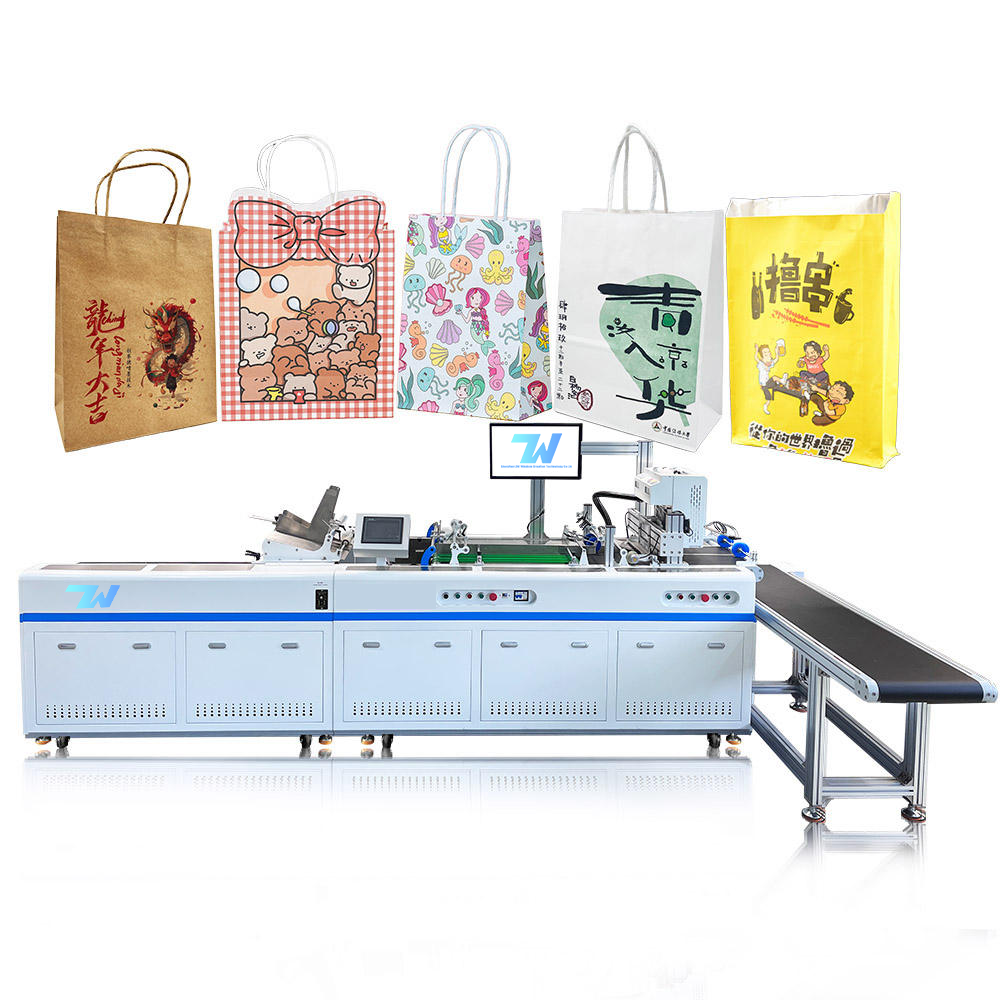
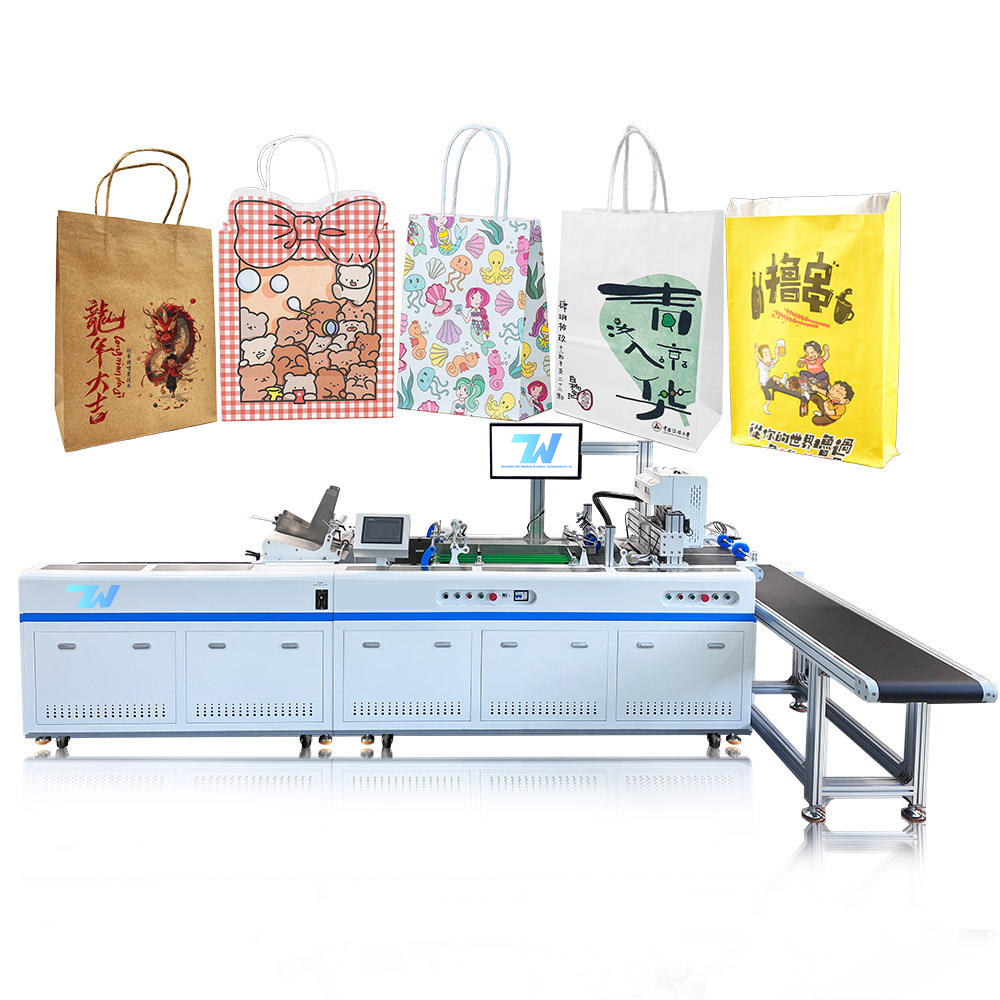
UV digital printer is a full-color digital printing equipment, which uses UV ink and adopts UV light-curing technology to achieve “spraying and drying”. While inkjet printing , it emits ultraviolet radiation using its built-in UV lamp ( mainly LED-UV light source ) , which makes the ink change from liquid to solid in seconds , and there is no need for natural drying to complete printing , unlike traditional printers . This technological breakthrough has transformed the printing production process from “printing + waiting for drying” to “printing as a finished product.”
2. How does a UV digital printer work: voltage inkjet and photopolymerization
2.1 Inkjet Principle: Precise Control Through Voltage
The basic printing principle of UV digital printers is voltage inkjet, which is a kind of short run digital printing technology. The working mechanism is: The piezoelectric ceramic components inside the print head deform and produce mechanical pressure under the action of the electrical signal, which sprays UV ink from the micro nozzle in the ink chamber onto the surface of the substrate in a precise way. Each nozzle has a typical diameter of 20 to 50 microns and can spray thousands to tens of thousands of ink droplets per second. The volume of the ink droplets can be controlled with an accuracy of 3.5-5 pl.
UV digital printers are of the drop-on-demand (DOD) mode, which means that ink droplets are ejected only where printing is necessary, unlike the traditional continuous inkjet (CIJ) technology. This mode can greatly reduce ink waste and achieve higher printing accuracy and richer greyscale performance.
2.2 The principle of curing: the formation of LED-UV instant film
The ink is sprayed onto the surface of the material and the built-in UV-LED light source of the device immediately illuminates the ink. The photoinitiator in UV ink absorbs ultraviolet energy to produce free radicals and initiate the polymerisation reaction of monomers and oligomers, so that the ink can change from a liquid to a solid film in 0.5 seconds . This curing process has the following important features:
First of all the curing is very quick. UV curing is a “second dry” level of production efficiency; natural drying of traditional solvent-based inks takes hours or days. Second, the curing process does not produce VOCs (volatile organic compounds) and is therefore compliant with increasingly stringent environmental regulations. Third, LED-UV light sources have a longer lifespan (up to tens of thousands of hours), consume less energy and generate less heat than traditional mercury lamps, making it safe to print thermally sensitive materials such as films and paper.
2.3 System Architecture: Complete Closed Loop from Delivery to Collection
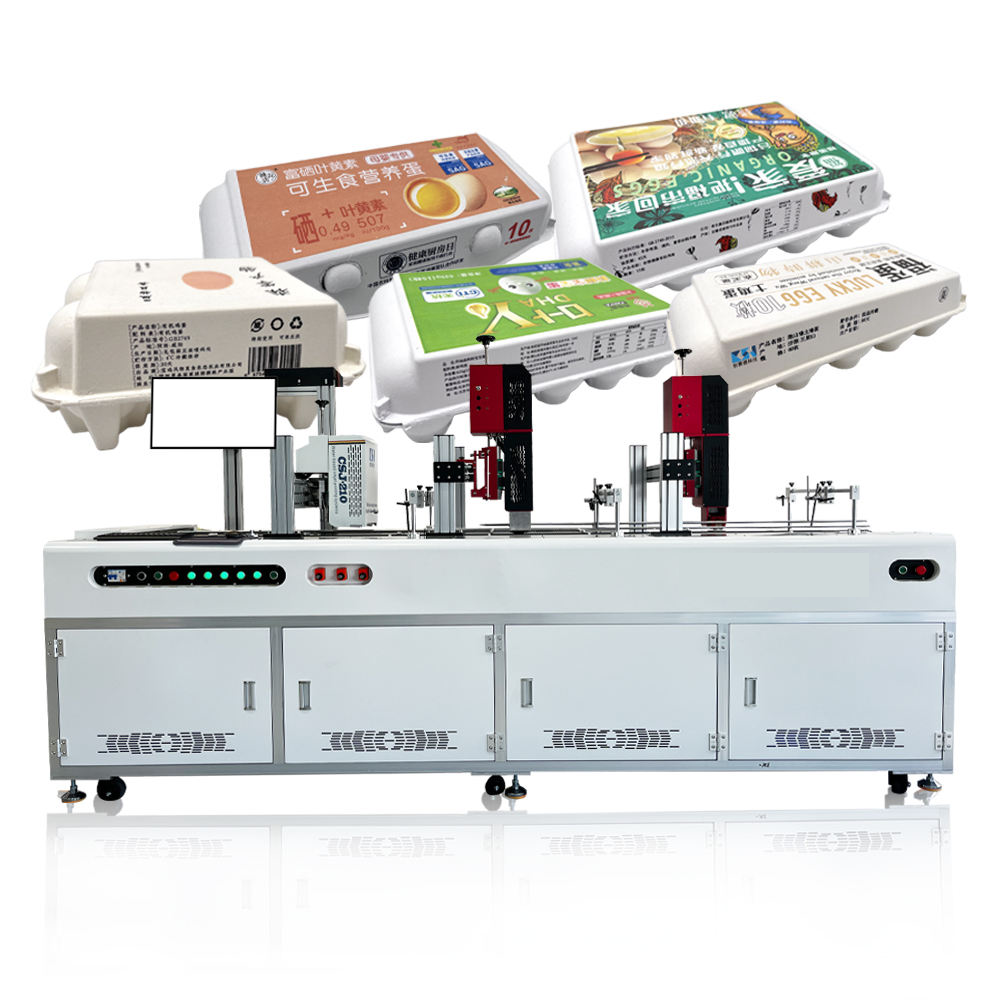
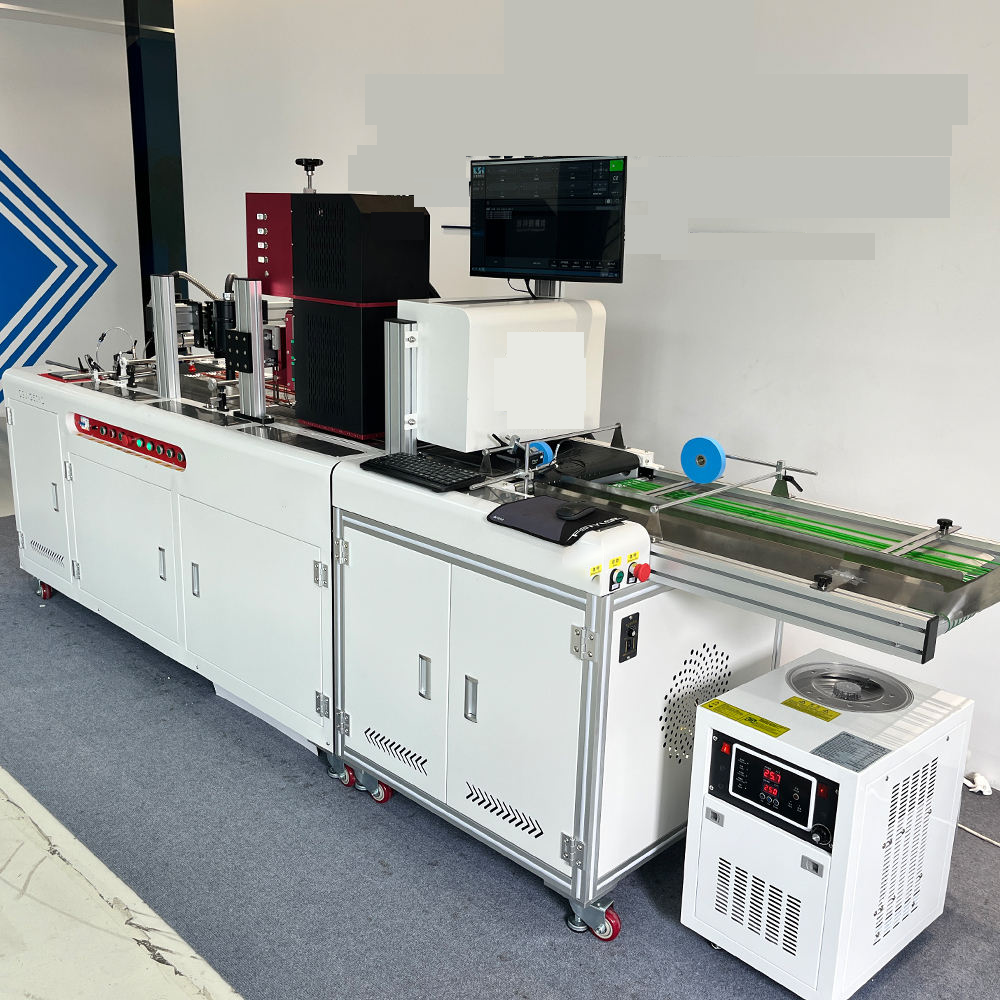
The basic configuration of a UV digital printer for printing individual items such as labels, tags, tickets and cards includes: issuing module (automatic pagination feeding), printing module (industrial-grade piezoelectric nozzle and UV curing system), detection module (visual quality inspection and RFID reading and writing), rejection module (automatic rejection) and receiving module (automatic counting and stacking). The modular design allows the equipment to achieve fully automated closed-loop production from raw materials to finished products, greatly reducing the need for manual intervention.
3. Core technology principles
3.1 Piezoelectric inkjet technology: accurate conversion of electrical signals to ink droplets
Piezoelectric inkjet technology forms the inkjet heart of UV digital printers. The technology uses a large number of small pieces of piezoelectric ceramic near the nozzle of the print head. Piezoelectric ceramics possess a special physical property, which is that they undergo deformation, stretching or contracting, when a voltage is applied to their two ends. When the voltage signal of the image information is supplied to the piezoelectric ceramic, the stretching vibration of the piezoelectric ceramic changes precisely with the voltage, the mechanical movement of the piezoelectric crystal in the ink chamber is controlled by the electrical signals, and the ink is compressed to be sprayed out from the nozzle.
The major benefit of this route from the technological point of view is the absence of thermal sensitivity. The inkjet process is not dependent on the heating so it will not have thermal damage to the UV ink and the kinds of the ink that can be used are also more diverse. The driving signal generating circuit of the nozzle will generate certain driving signals to the piezoelectric element, so the piezoelectric element ejects ink droplets. The shape and stability of ejection of ink droplet are directly determined by the waveform parameters of the driving signal, including the charging compression time of the rising edge, the duration of compression and the compression release time of the falling edge. Industrial grade equipment usually uses nozzles such as Ricoh G5/G6, Epson Micro-Piezoelectric or Konica Minolta that operate stably over a long period of time with low clogging rates at a resolution of 1440 dpi.
3.2 Variable drop of ink technology: physical realisation of greyscale printing
Traditional fixed ink droplet technology can only spray ink droplets of one size. Variable dot/grayscale printing technology precisely controls the driving voltage waveform of piezoelectric elements, so that one nozzle can produce ink droplets of different volumes in one spray. For example, the industrial-grade Ricoh GEN5 greyscale nozzle, whose minimum ink droplet can be 7 pl (picolitres), and the maximum ink droplet can be 21 pl. The ink droplet size can be adjusted from 6 pL to 42 pL using Canon’s VariaDot intelligent variable ink droplet technology.
The technical value of variable ink droplets lies in the use of small ink droplets to ensure the clarity of printing fine text and edges (can print 2 pt fonts clearly), and the use of large ink droplets to improve production efficiency when filling large areas of colour blocks. This intelligent control of “on-demand ink droplet size allocation” makes the image clearer and sharper, and the greyscale transitions smoother and more uniform, reaching the photo-level printing output. And the 4-color ink with variable ink droplet technology can achieve the same printing effect as the traditional 6-color fixed ink droplet technology, and save 50% of ink consumption.
3.3 UV-LED curing technology: instantaneity of photochemical reactions
Basically UV curing is a photochemical reaction process. The UV-LED curing system transforms the energy of electricity into light, so the LED’s high-power ultraviolet diode chip is capable of producing high-purity monochromatic ultraviolet light. Mainstream industrial-grade UV-LED light sources have a peak wavelength concentration range of 365 nm-395 nm, and the optical power density can reach 4-12W/cm. The photoinitiator in the UV ink absorbs specific ultraviolet wavelengths and generates free radicals, which then cause the monomers and oligomers to polymerise, forming a solid polymer film in less than half a second.
The core technology advantages of UV-LED light sources are embodied in three parameter dimensions: In terms of electro-optical conversion efficiency UV-LED can convert 20-40% of input power into usable ultraviolet light; In terms of service life UV-LED can reach 20000-30000 hours, while traditional mercury lamps only have 800-3000 hours. In terms of thermal management, UV-LED does not emit harmful UV-C or infrared light, so it is safe for thermally sensitive materials. The high-end equipment is also equipped with an automatic optical power compensation system to ensure that the curing energy remains stable during long-term production.
3.4 Precision Motion Control System: Micro-scale Spatial Positioning
The accuracy of the motion control system of UV digital printers is the relative positional accuracy between the nozzle and the substrate, which is the physical guarantee of printing accuracy . Industrial-grade equipment uses high-precision driving schemes in X-axis (lateral movement of nozzle trolley) and Y-axis (longitudinal stepping of platform or material) dimensions.
In terms of drive mode, the high-end equipment uses a three-axis linear motor drive system. It is faster, quieter, more accurate in positioning and less susceptible to mechanical wear and tear in long-term use than conventional belt or screw gearbox. At the position feedback level, the equipment is equipped with a metal grating closed-loop positioning system with an accuracy of up to 1 μ μm (micrometres) for real-time position feedback. The dual servo motor configuration is used for the Y-axis direction, and the left and right ends can be used for misalignment detection and protection. The positioning of each step is more accurate. The servo motor possesses closed-loop control capability for speed, position and torque, has a rated speed of 2000-3000 revolutions per minute and can withstand overload up to three times the rated torque. The accuracy of the positioning of the whole motion system is up to ± 0.1 mm.
3.5 Negative pressure ink supply and white ink recycling system: controlling the fluid dynamics of ink delivery
A stable supply of UV ink is necessary for continuous production. The industrial grade UV digital printer has an independent electronic negative pressure control system that can accurately control the negative pressure value of the ink path (accuracy: ± 0.01Pa), so that the ink in the nozzle ink chamber always maintains a constant negative pressure state. This technology enables the ink replenishment speed of the nozzle to be equal with the ejection speed when high speed spraying, so as to avoid ink breakage and flying due to insufficient ink supply. The secondary ink cartridge generally adopts an electromagnetic valve to control the ink supply system, which further stabilises the ink supply pressure.
White ink is recognized as a technical challenge in the UV printing industry due to its high pigment density and high specific gravity, which makes it prone to precipitation when left to stand for a long time. The solution is a white ink circulation stirring system: The white ink is continuously stirred and circulated by a circulation pump to decrease the probability of precipitation and maintain the printing quality consistency of the white ink. When shutting down some devices, it will automatically recycle the white ink from the ink cartridge to the ink tank, thus reducing the white ink sedimentation in the pipeline.
3.6 Vibration suppression and long-term stability of the fuselage and rack structure of the industrial grade
Mechanical vibration is the main interference factor that affects the ink droplet landing accuracy in high-speed printing. The body of industrial grade UV digital printers uses a fully welded steel structure which is much more rigid and stable than assembly or light weight body designs. The density of the platform support point is an important parameter for measuring the structural rigidity. The high-end equipment is equipped with a maximum of 42 platform support points, more than 10 more than similar models in the industry, and greatly improves the overall motion stability and platform load capacity.
At the moving parts level, the equipment uses Japanese THK high-precision linear guides, which are better than ordinary guides in terms of wear resistance, repeated positioning accuracy and operational stability. The guide rail’s installation surface is precision machined by rough milling followed by two precision millings, ensuring an installation error of less than 0.03 mm, so as to avoid degrading positioning accuracy during long-term operation. German igus wear-resistant industrial drag chains protect the cables during high-speed movement, effectively reducing harness fatigue and extending the service life of the electrical system. These technological investments at the mechanical level enable an industrial grade equipment to sustain printing accuracy in a 7×24 hours continuous production environment.
3.7 intelligent software algorithms and closed loop control systems: accurate mapping from data to ink dots
The intelligence of UV digital printers lies in the software algorithms that control the hardware systems in real-time. The equipment adopts an industrial-grade PLC control module as the core controller, specially designed for harsh industrial environments, with high reliability and strong anti-interference ability. RIP software (SEEGET, ONYX, etc.) converts image files into ink droplet ejection instructions for the nozzle, allows overlapping output of different images, and provides efficient sample colour calibration at the level of printing data.
The equipment integrates multiple intelligent algorithms in the closed loop control. The automatic measurement of medium thickness and height control system adopts the full closed loop control mode, which automatically adapts to different thickness media and avoids the human error operation. Automatic skip white printing function can automatically recognise and skip blank parts on the screen, greatly improving production efficiency. The nozzle compensation function is used in inkjet printing to replace faulty nozzles with normal ones, so that the image is not displayed as white or with passing lines. In the case of printing in both directions, the system can set the irradiation power of two UV lamps, and can automatically rotate them in the back and forth direction, effectively reducing the depth of the pass. In addition to hardware accuracy, the software controls enable UV digital printers to deliver “intelligent precision” and convert raw digital files to highly consistent physical results.
4. Frequently Asked Questions (FAQs)
Q: What is the main difference between UV digital printers and traditional screen printing machines?
Answer: The difference is in the manufacture of the plate. Traditional screen printing needs the production of screen plates with high plate-making costs, long cycles and unsuitable for small batch orders. UV digital printers can print directly from the computer without plate making and can start from one piece. Moreover, UV digital printing employs non-contact inkjet printing, thus it will not damage the surface of the material. The scraper of screen printing touches the material and can be a risk to soft or fragile materials.
A: UV digital printers are capable of printing on material thicknesses of up to 2 inches.
Answer: It is contingent upon the kind of device. Flat panel UV digital printers typically accept substrate thicknesses of 0 to 100mm. Some models allow a maximum printing height of 250mm. For thin sheet materials such as labels and tags (usually from 0.3 mm to 3 mm thick), the equipment is equipped with an automatic feeding system to ensure stable feeding.
Q: How long do UV printed patterns last? How long does it stay outside?
Answer: UV ink forms a tough film layer after curing, which has the characteristics of waterproofing, sun protection and wear resistance. Outdoor weather resistance is generally 3 to 5 years, and in indoor environments it can last for more than 10 years. This characteristic makes UV digital printers very suitable for the production of identification signs, outdoor advertisements and other products that need to be used for a long time.
A: UV digital printers can print the following types of QR codes and barcodes:
UV digital printers can support printing almost all the mainstream one-dimensional and two-dimensional codes, including: QR code, DataMatrix code, EAN code, UPC code, Code 128, Code 39, etc. The software system supports up to 14 categories and more than 100 barcode types. The smallest size for a printable QR code at 600dpi resolution is 15 × 15mm.
Q: Is it difficult to maintain the equipment? Is the nozzle easy to get clogged?
Answer: The modern UV digital printers have an automatic nozzle cleaning system and a sealed moisturising cover, so the maintenance of the nozzles is easy. UV ink has good stability, no insoluble substances, effectively avoid the clogging of the print head. The ink supply system is controlled intelligently by negative pressure, with an accuracy of ±0.01Pa, stable ink supply and consistent printing quality.
Q: Which industries are suitable for label production with UV digital printers?
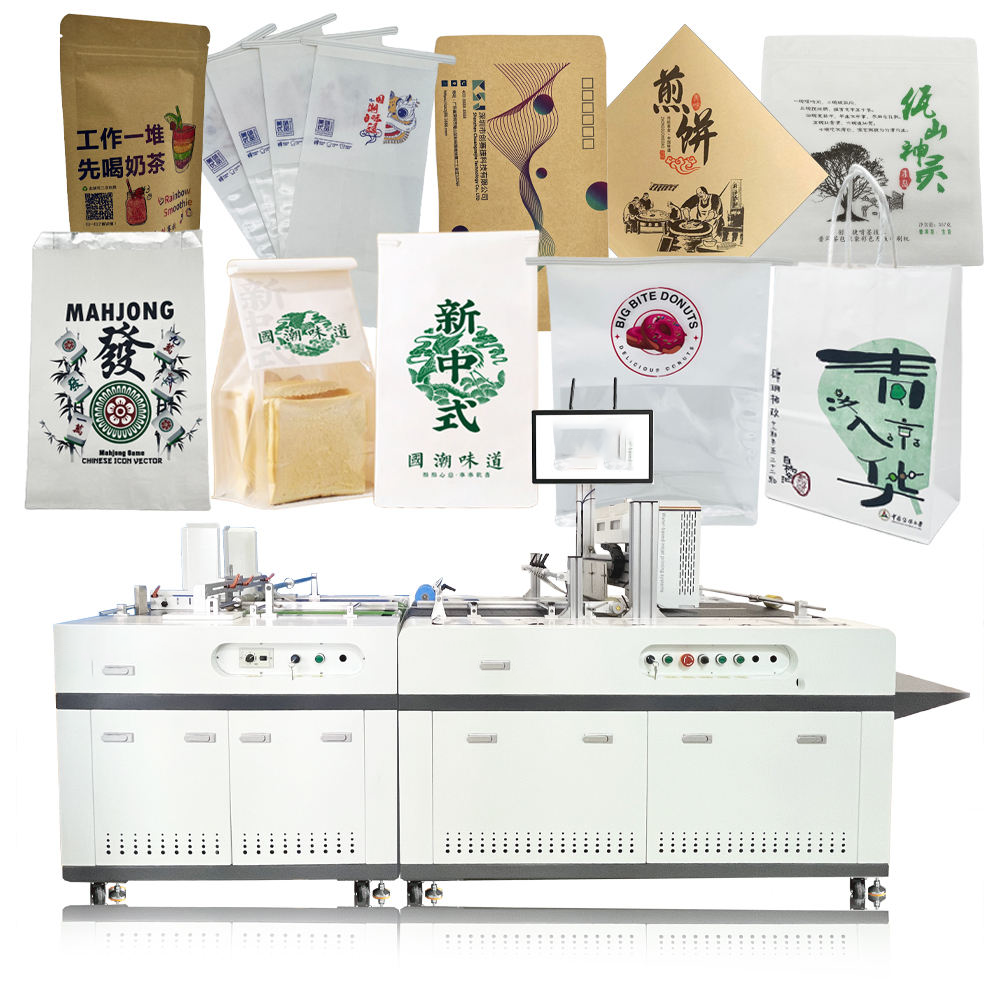
UV digital printers are widely used for printing clothing tags, RFID electronic tags, water-washed labels, anti-counterfeiting labels, tickets, cards and other products. Specific industries include clothing, shoes, hats, food and medicine, electronic products, logistics and warehousing, daily chemical products, books, asset management, etc. The equipment integrates UV printing and RFID reading and writing, realising the fully automatic closed-loop production from printing and curing to RFID verification, writing and automatic rejection.
5. Conclusion
UV digital printing technology has advanced from initial concept validation to a core productivity tool within the printing industry. This trend is clear from market data: The global UV digital inkjet printer market is projected to reach $3.55 billion in 2026, with a compound annual growth rate of 12.98%; The global UV printer market is projected to generate sales of $1.6 billion, with a compound annual growth rate of around 16.5% from 2026 to 2032. These two sets of data are two different dimensions of the same fact, which is that UV digital printing is replacing the traditional plate printing at a rapid speed, and becoming one of the mainstream techniques in the printing industry.
From the perspective of technical parameters, the current industrial-grade UV digital printer has achieved a physical resolution of 600-1200dpi, a production speed of 15-45m2/h, a coverage rate of Pantone colour gamut of more than 90%, and a wide range of compatibility with dozens of materials such as paper, plastic, metal, glass, leather, etc. Integrated steel frame structure for high durability, five years no deformation. Industrial-grade PLC control system for long-term trouble-free operation. Taken together, these data provide quantitative evidence for the “technological maturity” of UV digital printers.
“UV digital printers are not only bringing equipment upgrades to practitioners in the global printing industry, but also a fundamental change in production mode, moving from the long process of “plate making, printing, drying” to the short process of “design, printing, finished product” process, the significance of which will become more and more apparent in the next five to ten years with the continuous expansion of the market size.
No responses yet