1. Background of the industry and technology trends
Worldwide, the label printing business has experienced a digital revolution over the past few years. With the continuous improvement of environmental protection requirements by brand owners, the surge of market demand for customised short orders, and the rapid penetration of RFID smart tags into the retail and logistics fields, traditional plate making and printing processes are facing more and more challenges. The global digital label printing market will grow at an average annual rate of more than 12% over the next five years, according to a market research report from Smithers. Water-based inkjet technology will become the mainstream technology route in this growth wave due to its environmental characteristics and continuously optimised comprehensive costs.
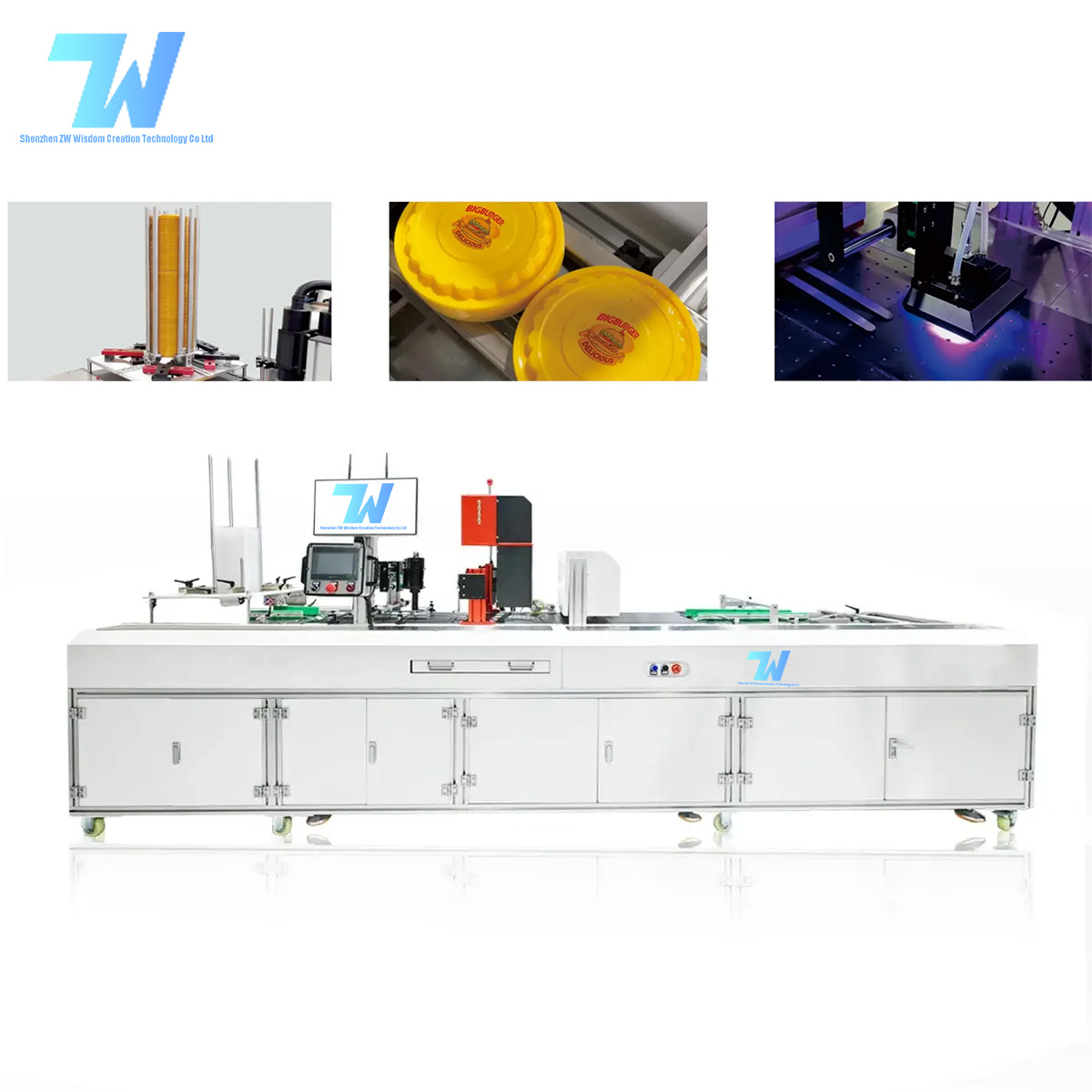
In this case, water-based digital printers, as special printing equipment for single-item labels, clothing tags, tickets and cards, provides a clear direction for printing enterprises to transform from traditional production modes to intelligent and flexible production with their precise feeding system, efficient automatic collection function and plate-free digital workflow. In this article we will show our industry peers the true business value of water-based digital printing technology, with a full case study including a detailed total cost of ownership (TCO) and return on investment (ROI).
2. Facts and case background
Shenzhen is an important gathering place for the global printing industry, and a large number of label printing enterprises serving outward-oriented industries such as clothing, electronics and logistics have gathered here. The case study company in this case is a label technology company in the Americas (hereafter referred to as “Company A”) that was established in 2010. The main products are clothing tags, RFID tags, adhesive stickers and various kinds of ticket cards. Prior to the transformation, company A had three traditional intermittent PS label printing machines and two die-cutting machines. The business model was primarily medium and large batch orders.
However, since 2022 the management at Company A has felt the change in the market structure keenly. The customised orders from customers in small batches have been increasing rapidly with some orders even having a single batch printing quantity as low as 200-500 sheets. At the same time, customers have seen a huge increase in demand for variable data printing. Traditional printing equipment needs a new plate-making and machine calibration for each order replacement. This takes several hours and usually costs more than the profit margin of each order’s plate-making cost. In this case, Company A has opted to launch a medium-sized water-based digital printer and start the digital transformation process.
3.Selection and application of equipment The entire process from decision to implementation
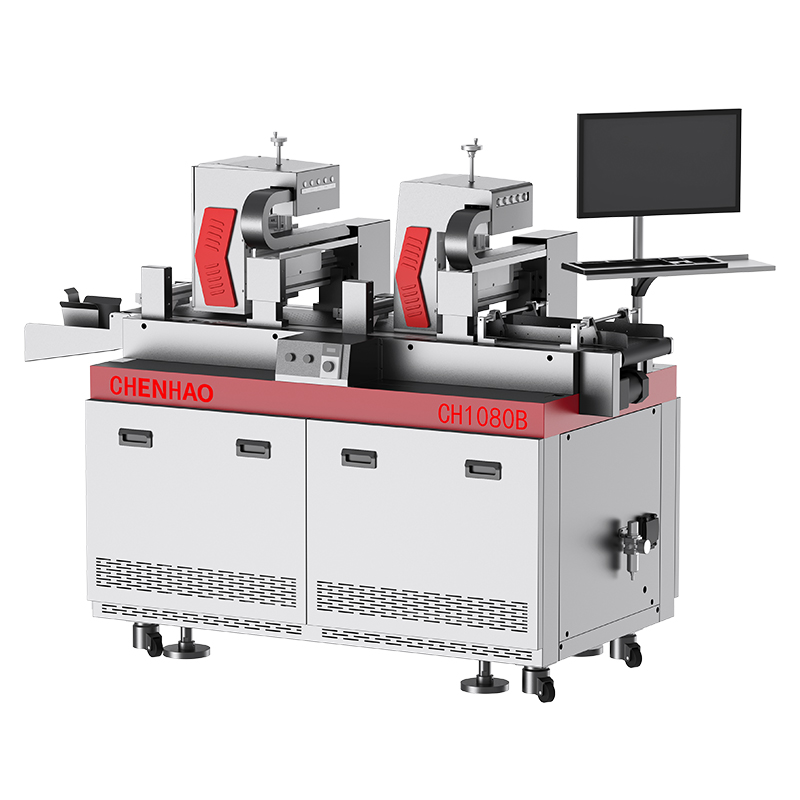
After several rounds of technical evaluation and equipment inspection, Company A selected an imported medium water-based digital printer. The maximum printing width of this device is 340 millimetres . The maximum resolution is 1200 dpi × 1200 dpi . The maximum operating speed is 13.5 metres per minute . It is equipped as standard with automatic feeding system, online quality inspection system and fully automatic winding and collecting device. The equipment uses six-color water-based ink (CMYK+orange+green), with excellent coverage of the Pantone colour card, and fully meets the colour needs of clothing tags and label products.
The equipment will be installed, debugged and formally commissioned in the first quarter of 2023. The company has set up a special workshop for the equipment and installed a temperature and humidity control system to ensure the stability of the inkjet. It has also provided four weeks of professional technical training for the operation team. Note that the water-based ink of this device uses pure water as the main solvent, and does not contain or only contains a very small amount of VOC components. This not only fulfils the stringent environmental emission criteria in Shenzhen, but also provides Company A with a distinct environmental competitive advantage over the international clothing brand customers such as ZARA and H&M.
4. Complete breakdown of the Total Cost of Ownership (TCO)
Cost of Equipment Purchase and Assigned Depreciation
The medium-sized water-based digital printer purchased by Company A cost a total of $15000 (approximately RMB 100000). The equipment design is expected to have a lifetime of 8 years. The annual cost for depreciation is approximately $2000. The amount of initial investment is about 75% of the same level of imported UV digital printing machines, and the investment of traditional intermittent label printing machines and plate-making systems is almost 40% less than the sum. From the perspective of long-term finance, the lowered investment threshold for entry can effectively reduce the financial risks of corporate transformation.
Costs of use per year
Water-based ink pricing is variable and this directly influences TCO concerning consumable costs. The first phase of production in 2023 Monthly consumption of ink from Company A The average monthly ink consumption of Company A is 7.2L, the unit price of imported original water-based ink is $180/L, and the monthly ink expenditure is $1296. At the beginning of 2024, as the domestic compatible water-based ink technology matured and obtained quality certification, Company A gradually adopted more economical compatible ink solutions under the technical guidance of equipment manufacturers. More business meant the unit price of ink dropped to around $35 a litre and average monthly consumption fell to 9.6 litres. But the monthly ink cost decreased by 74% to roughly $336.
Optimising the structure of labour costs
Before water-based digital printers, Company A needed 6 operators (2 persons per machine, rotating shifts) to run its three conventional printing machines, with a labour cost of about $32000 per month. The digital printing machine is highly automated in feeding, printing, inspection and collection when it is in operation, so only one technical worker is required to do all the work. Company A has used the freed human resources to fill positions in pre-press document processing and customer service and has cut the total labour costs by approximately $20000 net per month.
Reliability and equipment operating cost
Water-based digital printers have very advantageous maintenance costs due to the automatic nozzle cleaning system and nozzle compensation technology. Company A has been in business for two years and the average annual maintenance expense for this equipment is about $3200, which mainly includes annual maintenance, replacement of some vulnerable parts and software upgrade costs. The cost structure for maintenance of digital printing equipment is more predictable and controllable than traditional printing equipment with frequent replacement of expensive mechanical parts such as rollers and bearings.
The following comparison of TCO core data shows the changes of the annual cost structure of Company A before and after using water based digital printers:
- Annual depreciation of equipment – Digital equipment costs $16000 while traditional equipment combinations cost $32000, which is a 50% saving for the former.
- Annual consumables cost Digital equipment $4032 (compatible ink) Traditional equipment $18000 (ink, plates, solvents etc.) Saving of about 77.6%
- Annual labour costs Digital equipment $14,400 (1 person) Traditional equipment $38,400 (6 persons) The former saves 62.5% of costs.
- Digital devices had an annual maintenance cost of $3,200, while traditional devices had $9,500, so the savings with the former were approximately 66.3%.
- Digital equipment: annual total operating cost is $37,632 Traditional equipment: annual total operating cost is $97,900 Total reduction of 60%.
After the introduction of water-based digital printers, from the overall TCO perspective, the annual comprehensive operating costs of Company A have decreased by about 61.6% compared with traditional printing models, from the original annual average of $98000 to about $38000.
5. Quantitative analysis and time factor of return on investment (ROI)
Multiple Drivers of Income Growth
The introduction of water-based digital printing machines has resulted in multi-pronged revenue growth for Company A. First, the short order business has really picked up. In the traditional model of printing a company would willingly give up short runs of less than 500 sheets per run for cost reasons but in the digital model these have now become high profit businesses. The device has helped Company A to generate over 1200 short orders in 2023, contributing incremental revenue of approximately $85000.
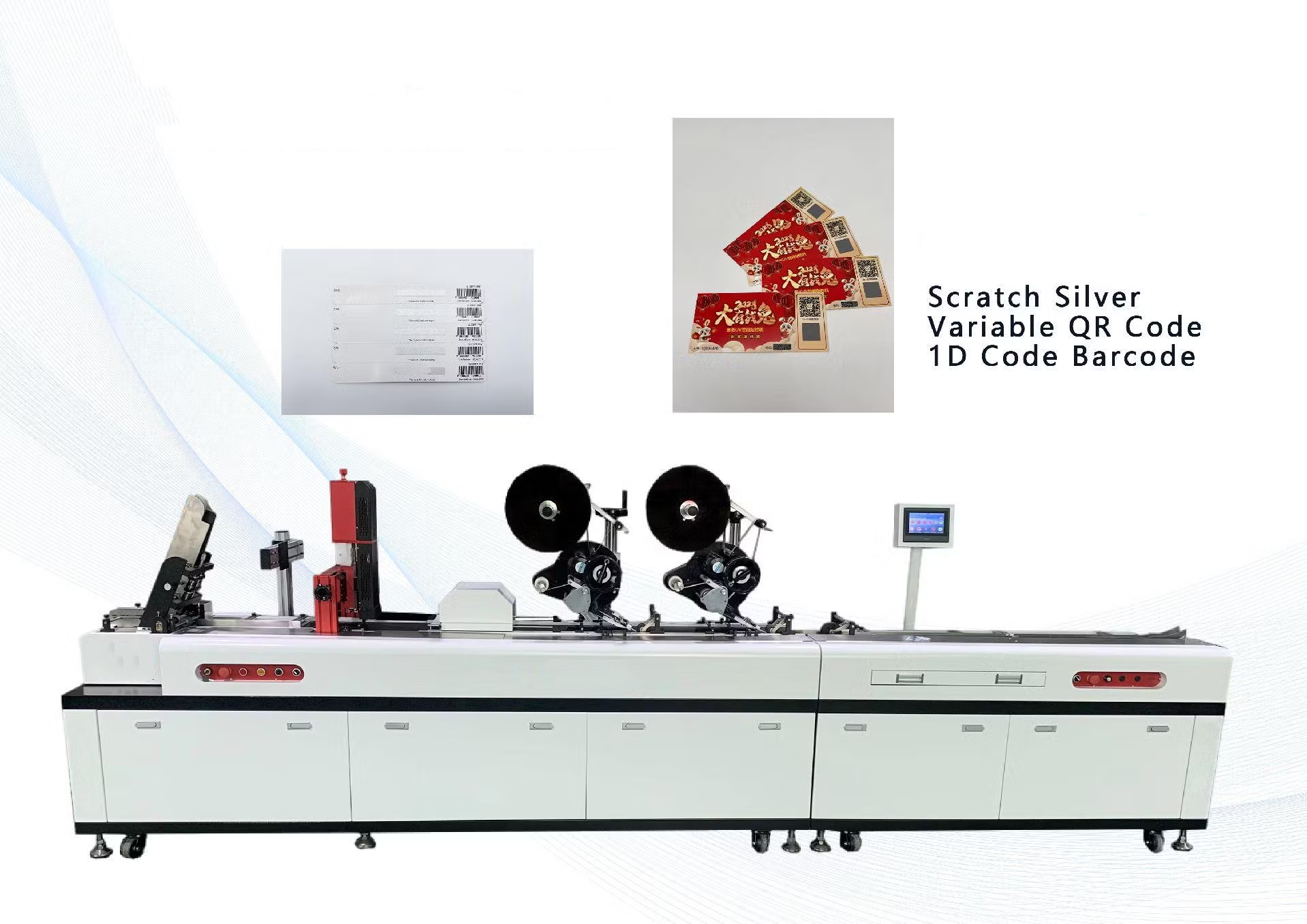
Next value added space is personalised and variable data printing. The company provides one item, one code hang tag printing services for multiple international clothing brands by means of the variable data function of water-based digital printers. The printing unit price of each hang tag is 0.02-0.04 US dollars higher than the ordinary hang tags. In the first half of 2024, the value-added service has generated incremental revenue for Company A of more than $50,000. The combined data writing and printing service for RFID tags has begun to generate revenue and is growing at a rapid pace, but the volume is still low at present.
The ongoing, aggregate impact of cost savings
The cost saving of Company A in terms of cost saving is around $41000 in 2023. The cost saving covers the discontinuation of some traditional printing equipment, reduction in plate making costs, reduction in ink costs and optimisation of the manpower allocation. The annual cost savings are expected to exceed $65,000 in 2024, as the full transition to compatible inks and additional operational efficiency improvements occur.
Cycle of investment return and forecast of aggregate income
Based on the above analysis on the two dimensions of income and cost, the recycling rhythm of the investment of Company A in this water-based digital printer is following:
- In its first year of operation (2023) the programme delivered approximately $96,000 in new revenue and cost savings. The net return, less depreciation and equipment maintenance for the year, was approximately $68,000 or 53% of the initial investment.
- As of the 18th month (mid-2024), the cumulative actual net return is about 132000 US dollars, which means that the equipment investment of 128000 US dollars has been officially recovered, and the total investment has been recovered.
- The cumulative net return at the end of 2026 (after three years of equipment operation) is estimated at around $285000. This means the total return on investment (ROI) will be approximately 123%.
- The real payback period of the investment of Company A’s water-based digital printers is 18 months in terms of dynamic investment payback period, which is very consistent with the industry average data.

6. Summary of expertise and industry experience
The transformation case of Company A shows the core value of water-based digital printers in modern label printing enterprises. First, the device significantly reduces the marginal cost of short-order production by the plate-free digital workflow, which completely reverses the traditional printing cost structure of “the shorter, the more losses”. Second, the combined advantages of water-based ink system in environmental compliance and comprehensive consumable costs offer differentiated strategic value for printing enterprises in global market competition.
More importantly, the investment return logic of water-based digital printers is not only the replacement of equipment, but also the system upgrade of the business model. Company A has demonstrated that optimising a number of variables such as equipment depreciation, costs of consumables, labour structure and revenue sources in parallel, results in a significant positive financial return in a short period of time. Company A’s experience shows that for printing companies looking at digital transformation, water-based digital printing technology is a strategic decision with definite business logic, not a choice to ponder, when the annual operating cost savings are above 60% and the investment payback period is within 18 months.
7. Common Questions
Q :What size water based digital printers are suitable for print companies?
In terms of technology maturity and cost structure, the main target audience of water-based digital printers is medium-sized label printing companies, with annual output value between US$2 million and US$10 million. For small enterprises with lower annual output value, entry level formats or domestic alternative solutions can be considered. The case of Company A shows that for an enterprise with a stable demand for short orders (50 or more per month) and with certain variable data printing needs there is a significant economic feasibility in investing in this equipment.
Q: Are digital water-based printers good for printing effects on film labels for brand manufacturers?
Definitely achievable. The new generation of water-based inks, with the use of special printing auxiliaries, have been widely confirmed by international brand manufacturers, regarding the adhesion and scratch resistance on film substrates such as PE, PET, BOPP, etc. In the first stage of production the company received material certificates from several international clothing brands. Samples printed were tested for wear resistance, weather resistance and migration in accordance with industry norms. Sample testing on a small scale for particular materials is still a necessary quality control step before mass production.
Q: How often do you have to change the nozzles of a digital water-based printer? How much does it cost to replace it?
Answer: The service life of the nozzle is related to the operating intensity and the quality of equipment maintenance. Under normal use with strict adherence to automatic cleaning procedures, industrial grade nozzles have an average life of 2 to 4 years. The nozzle has not been replaced and is in good shape. Company A has been in business for two years. The replacement cost of a single industrial nozzle is $800-$1500 depending on the brand and model. Note that the replacement of nozzles of modern water-based digital printers is a scheduled maintenance item, and enterprises can plan the the corresponding reserve funds in advance in the annual budget.
Q: What are the cost and environmental benefits of using water-based ink as opposed to solvent-based ink?
As far as price is concerned a litre of water based ink is $30-50, a litre of solvent based ink of the same quality is $80-120. From the point of view of environmental protection, the content of VOC in water-based ink is less than 5%, much lower than 40%-60% of solvent-based ink. That is, companies using water-based digital printers do not need to install additional exhaust treatment equipment to meet environmental emission standards. For example, Company A saved about $12,000 per year in procurement and operation costs for VOCs treatment equipment alone.
Q: Is it a good time for a company with a lot of long orders to bring in water-based digital printers?
For enterprises whose main business is long-term orders of more than 50,000 sheets, traditional plate making and printing still has certain economies of scale advantages in mass production. However, two trends should be noticed. Firstly, the growing number of SKUs and the requirement of quick-response orders from brand owners are shrinking the definition of “long orders”. However, even in the long-order scenarios, water-based digital printers can assume roles such as sample confirmation, testing and verification and emergency order replenishment, thus forming a complementary relationship with traditional printing, instead of simply being a substitute. Company A’s strategy is to produce long orders on conventional equipment and shift all medium and short orders and any orders needing variable data to digital machines, thereby obtaining the best configuration of both modes.

No responses yet