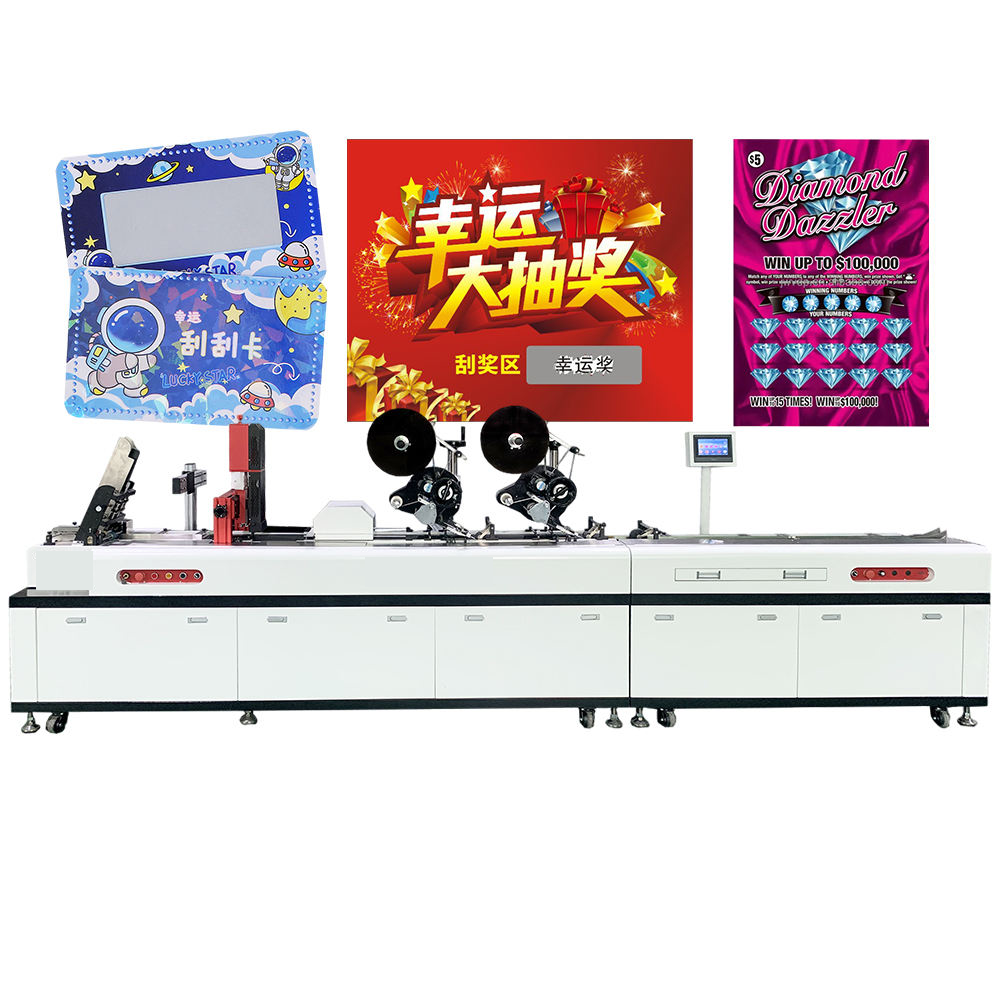
With rapid iteration of digital printing technology, UV digital printers have been the mainstream production equipment in the fields of labels, tags, tickets and personalised customisation because of their instant spray and dry-curing characteristics and wide media adaptability. For printing companies, the long-term stable operation and output quality of equipment are not only determined by the machine itself, but also depend on the correct matching of material compatibility, scientific selection of core consumables, and reasonable configuration of key components. This paper will carry out a systematic analysis of these three dimensions from the technical point of view and the practical point of view, which can help practitioners to establish a complete knowledge system of material selection and maintenance, so as to effectively reduce the production cost, prolong the service life of equipment and improve the qualification rate of products.
According to industry statistics, about 60% of the nozzle failures on UV digital printers are due to incorrect ink selection or mistakes in material pretreatment while proper component maintenance can increase the average time between failures of the equipment by more than 40%. Therefore, the understanding of the content of this article has an economic value for any scale of the printing workshop.
1. Material compatibility: substrate properties to pre-treatment solutions
1.1 Classification and adhesion mechanism of common printable substrates
The chief advantage of UV digital printers is that ink polymerises under UV light, creating a physical anchor and chemical bonds with the surface of the substrate; therefore, the material should have a certain chemical inertness and surface energy. Any flat material with surface energy greater than 35 dynes/cm is good for adhesion in theory, but in actual production, the surface condition of different materials varies greatly and needs targeted treatments.
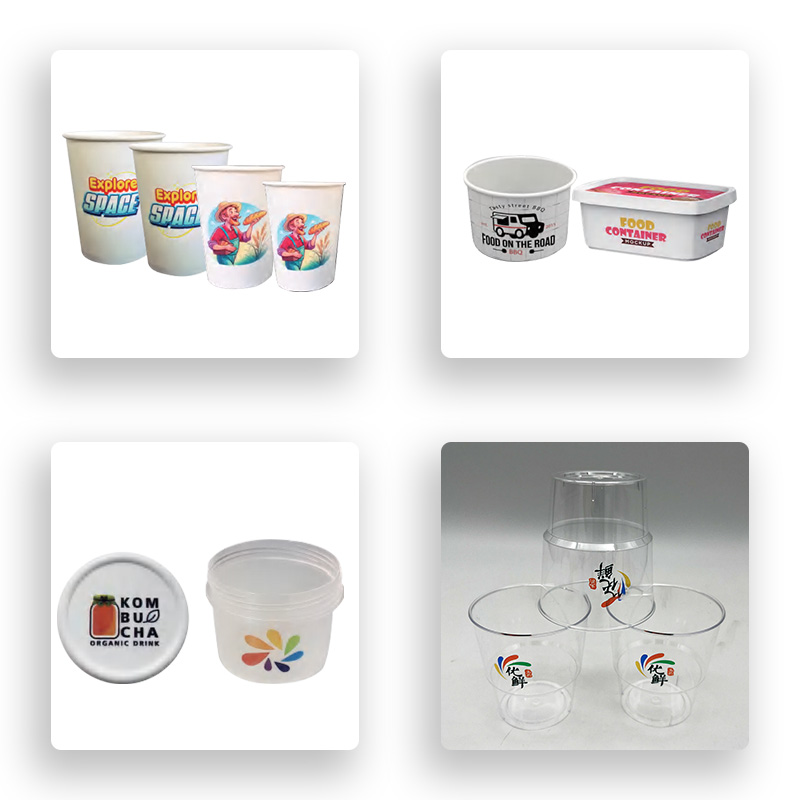
Polar materials (e.g., acrylic, PC and PET) have high surface energy and usually do not require special treatment to get good adhesion. However, surface cleanliness should be paid attention to because oil stains and residual release agents are the main reasons for the ink loss. Nonpolar materials (e.g. PE, PP and untreated metals) are characterised by low surface energy and are difficult to wet with ink. Therefore surface energy should be improved by flame treatment, corona treatment or primer coating. Porous materials such as wood and corrugated paper require consideration of ink penetration and curing depth, as too much ink can lead to smudging or incomplete curing.
1.2 Practical guidelines for special industry materials
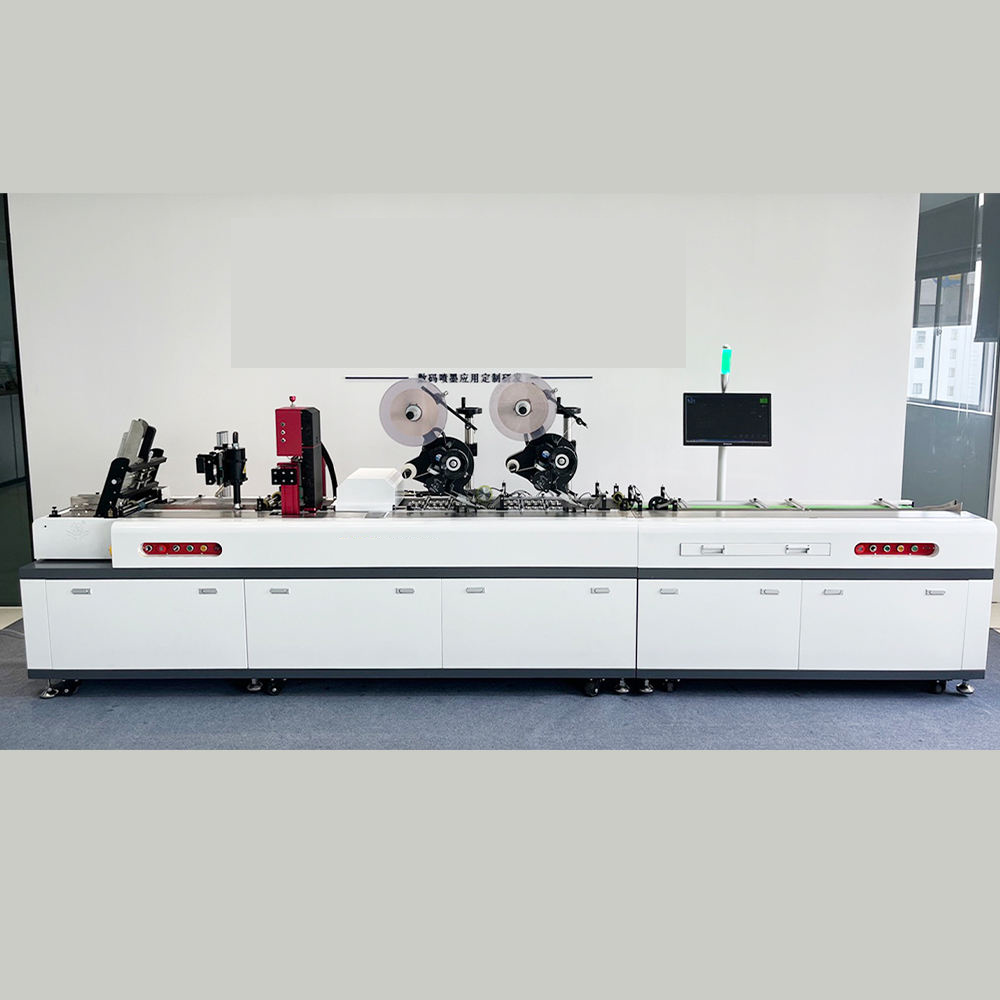
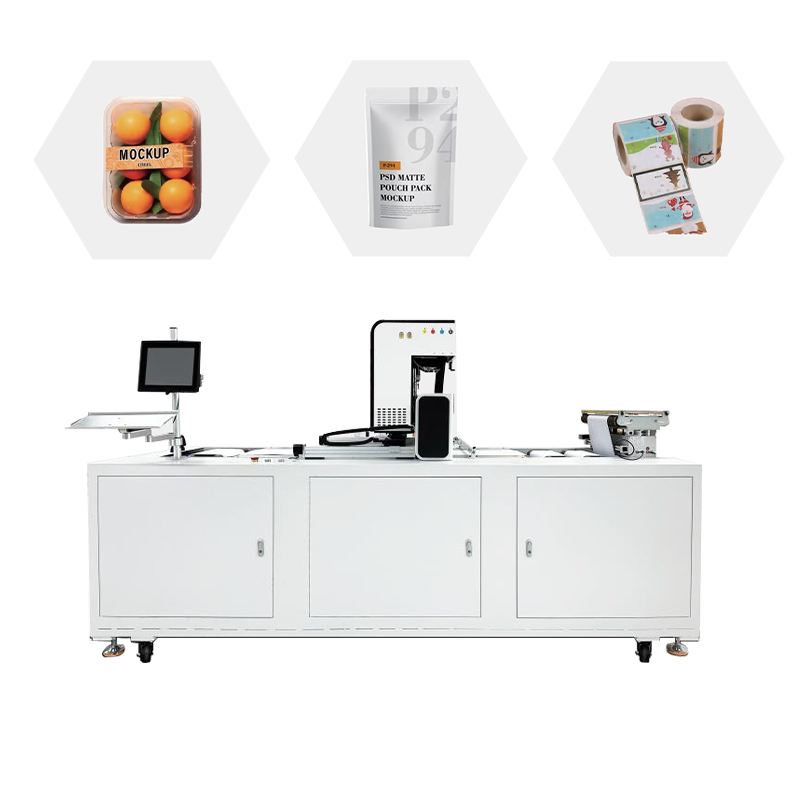
For small items such as clothing tags, RFID tags and tickets, the materials are typically synthetic paper, PET film or special coated cardboard. This type of material is very sensitive to static electricity that can cause material deviation and distortion of ink droplet flight trajectories. Hence it is recommended to install a static eliminator at the feeding end. Meanwhile, the adsorption force of the vacuum adsorption platform must be finely adjusted to avoid the deformation of the material due to the thin thickness of these materials.
Thermal sensitivity is a big limitation in RFID tag production. RFID chips and antennas are easily damaged at high temperature, so low-temperature curing ink (LED-UV, curing temperature <45℃) must be used, and the curing lamp power must match the printing speed to avoid heat accumulation. In the case of clear or metallic hang tags, the thickness and cure of the white ink base layer will have a direct impact on the saturation of the final colour. It is advisable to use a circulating ink supply system to maintain the uniformity of the white ink and to carry out a sample adhesion test (such as a hundred-grid test) prior to printing.
1.3 Standard Procedure for Material Compatibility Test
Before formal mass production, it is recommended to establish a standard testing process: first of all, print colour blocks and lines with standard calibration samples to visually observe whether there are shrinkage, drawing or diffusion phenomenon; secondly, conduct tape peeling test (3M 600 adhesive tape is used for quick peeling) to check the adhesion strength; finally, conduct friction resistance, alcohol resistance or weather resistance sampling according to the final usage environment of th Record surface energy data of different batches of materials (can be measured with Dyne pen) and establish material database for quick switching of production.
2. Core consumables: Scientific management of ink and maintenance liquid
2.1 Classification System of Ultraviolet Ink and Selection Principles
UV ink is the most important consumable of UV digital printers and its formula directly affects colour, adhesion and nozzle life. The mainstream is divided into two types according to the curing mechanism, free radical type and cationic type. The former has a fast cure speed and can be applied to a wide range of materials, but has a high shrinkage rate, while the latter has a small shrinkage rate and strong adhesion, but is more expensive. Depending on the flexibility of the ink layer, it is classified into hard ink (for glass, metal and acrylic), flexible ink (for leather, film and textiles) and neutral / universal ink.
In selection, it is necessary to follow the principle of ‘nozzle ink substrate’ trinity. First, check that the ink viscosity is within the allowable range for the nozzle (usually 8-20 cP, depending on the nozzle model). If the viscosity is too high, it is easy to clog, and if it is too low, it is easy to splash ink. Second, check the ink colour paste dispersion process Bad ink has a tendency to form large particles that can cause the nozzle to spray at an angle. It is recommended to give preference to ink brands certified by nozzle manufacturers. Its unit price is relatively high, but it can greatly reduce the frequency of nozzle replacement (the cost of replacing industrial nozzles is generally in the thousands to tens of thousands of yuan).
2.2 Highlights for use of white ink, varnish and special effects ink
In UV printing, white ink is the “base colour correction”, but white pigment (titanium dioxide) has high density and is easily precipitated. So a model with the white ink circulation system is required and the circulation interval should be no more than 30 min. If the device does not have automatic circulation, timed mixing or withdrawal has to be done manually. White ink thickness control is also important. Typically, the white ink layer thickness should be at least 12-15 microns to properly cover dark substrates, but if it is too thick, it may increase the difficulty of curing and the energy consumption.
Light oil (varnish) is used to increase gloss of the surface or to achieve a local sanding effect. The energy demand for curing is generally higher than for coloured inks, and it is important to make sure the LED light power is adequate. Moreover, some application scenarios require special ink (UV adhesive ink) to print hot stamping films. In printing the ink adheres to the hot stamping foil and is transferred by a second curing process which requires the ink to have specific viscosity and release characteristics. In the selection process, it must be compatible with the hot stamping process.
2.3 Selection criteria of nozzle cleaning solution and maintenance solution
The secret to the daily maintenance of the state of the nozzle is cleaning solution and moisturising solution. The cleaning solution should have good solubility and can dissolve quickly the solidified or semi-solidified ink residues, at the same time, it should not corrode the sealant and piezoelectric crystal inside the nozzle. Use original factory matching cleaning solution or other compatible products that have been thoroughly tested by a third party. When shutting down for long periods you replace the ink with moisturising liquid to keep the nozzles from drying and skinning. Its ingredients should contain wetting agents and antioxidants and the evaporation rate should be very slow.
In practical operation, a cleaning habit of “small amount multiple times” should be established, so as to avoid long time soaking of the nozzle (more than 24 hours may damage the electrode). It is recommended to perform the “ink discharge cleaning filling” process at the end of each shift for the white ink, so that the white ink in the pipeline is always in a flowing state.
3. Selecting the proper core components: the key to accuracy and durability
3.1 Nozzle choice: the trade-off between resolution, droplet size and durability
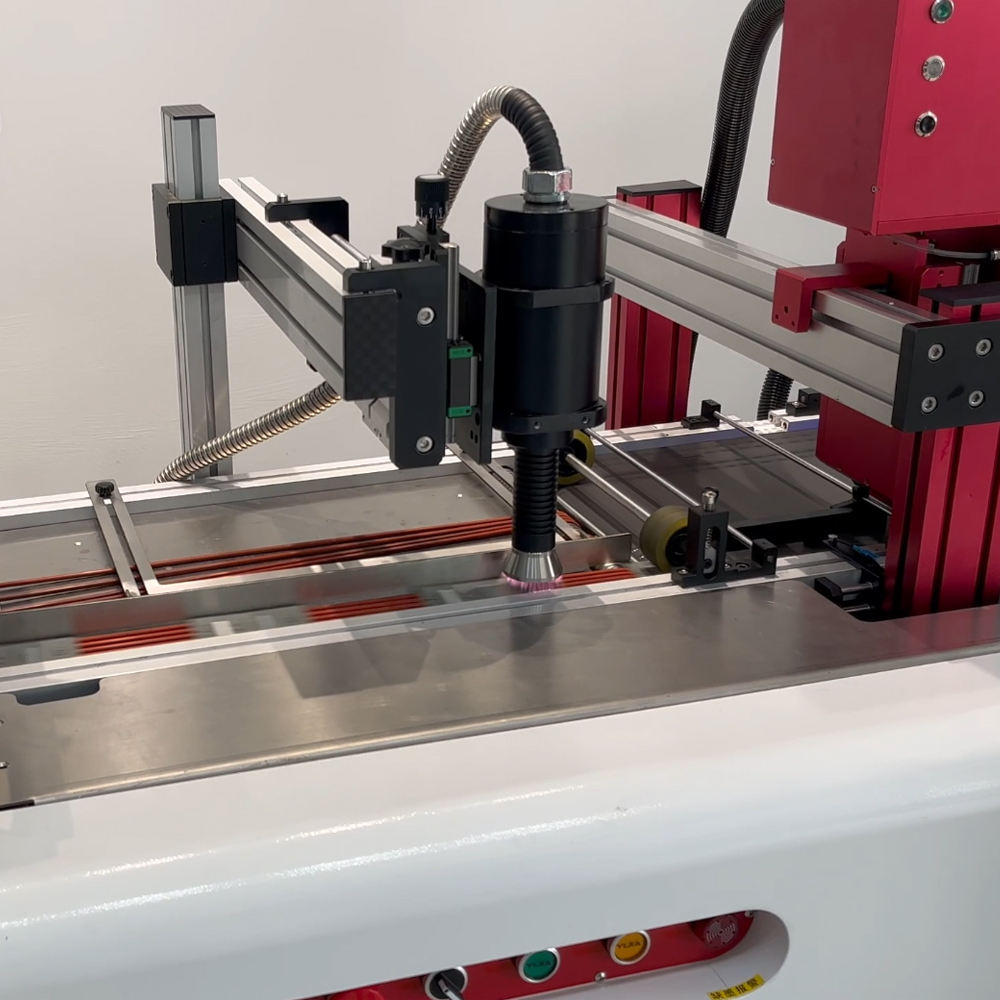
The nozzle is the most accurate part of UV digital printers, and the performance of the nozzle determines the upper limit of the printing accuracy and speed. Currently, the main nozzles in the industrial field are Ricoh G5/G6 series, Epson S3200 series and Kyocera KJ4 series. Ricoh nozzle is made of steel and has a variable ink droplet technology. it is suitable for high-viscosity inks and has strong durability. However, the minimum size of ink droplets is usually larger than 7 pl, which meets the requirements of medium precision, such as labels; Epson uses thin-film piezoelectric technology, with ink droplets as small as 3.5 pl, which is suitable for high-precision QR codes and micro text, but has stricter requirements for ink filtration.
When you make a selection, you need to consider the original equipment configuration and plan for future upgrade space in consideration of the highest precision requirements of your main business. For example, in long-term high-density QR code printing (higher version and low fault tolerance), a nozzle supporting multi-level greyscale printing should be chosen and matched with the corresponding waveform control software. At the same time, the linear encoder and temperature compensation system installed on the nozzle cannot be ignored, which can guarantee the accurate ink droplet points during the high speed reciprocating motion, and avoid the barcode deformation.
3.2 LED curing system: Wavelength, power and thermal management
The LED-UV curing lamp is the key factor affecting the curing efficiency and substrate adaptability. The common wavelengths are 365nm,385nm and 395nm and among which,395nm has the highest light efficiency and is suitable for most colour inks but is slightly inferior in deep curing of white ink,385nm can achieve deep curing and surface curing but the energy consumption is slightly higher. For thermal-sensitive materials such as films and RFID antennas, the low-temperature curing technology should be selected. It filters out the infrared thermal radiation through the optical lens design, leaving only the effective ultraviolet light, and controls the substrate temperature rise within 5℃.
The power selection should be dynamically adjusted according to the printing speed. When printing speed is higher than 50 meters per minute, high power density of 12-16 W/cm2 is required, while 6-8 W/cm2 is sufficient when speed is below 20 meters per minute. In addition, the service life of the curing lamp (usually 5000-10000 hours) and the cooling method (water cooling is better than air cooling, and the temperature is more stable) are the most important factors of purchase.
3.3 Ink supply system and vacuum circuit
The ink supply system is not only pipelines and ink bags . The essence of the ink supply system is negative pressure control . By applying a stable negative pressure (usually -0.5 to -2.0 kPa) the meniscus of the nozzle can be kept stable and to prevent ink from leaking out or air from getting in. High-end equipment adopts dual-pump redundant negative pressure regulation, and is equipped with pressure sensors for real-time feedback. For white ink and metallic ink, it is necessary to equip the magnetic stirring or mechanical circulation structure if you want to ensure the uniform suspension of pigment.
Moreover, the selection of filters is very important, the mainstream demand is an absolute precision of 1 μm with an exhaust function. When the filter is blocked, it can cause poor ink supply, leading to nozzle ink shortage or voltage overload. It is recommended to change the filter monthly or based on the amount of printing area (i.e. 100000 millilitres of ink).
3.4 Platform Feed and Vacuum Adsorption System Maintenance
For thin sheet materials such as clothing tags and cards, the feeding correction system and hoover zone zoning control are of paramount importance. The feeding roller material should be anti-static rubber, with adjustable pressure to prevent material slippage or indentation. The vacuum platform should regularly clean the paper scraps and dust in the adsorption holes, otherwise it will cause local material warping, resulting in uneven printing spacing and affecting the focusing accuracy (especially in high-definition QR code printing, a spacing deviation greater than 0.5 mm will cause decoding failure).
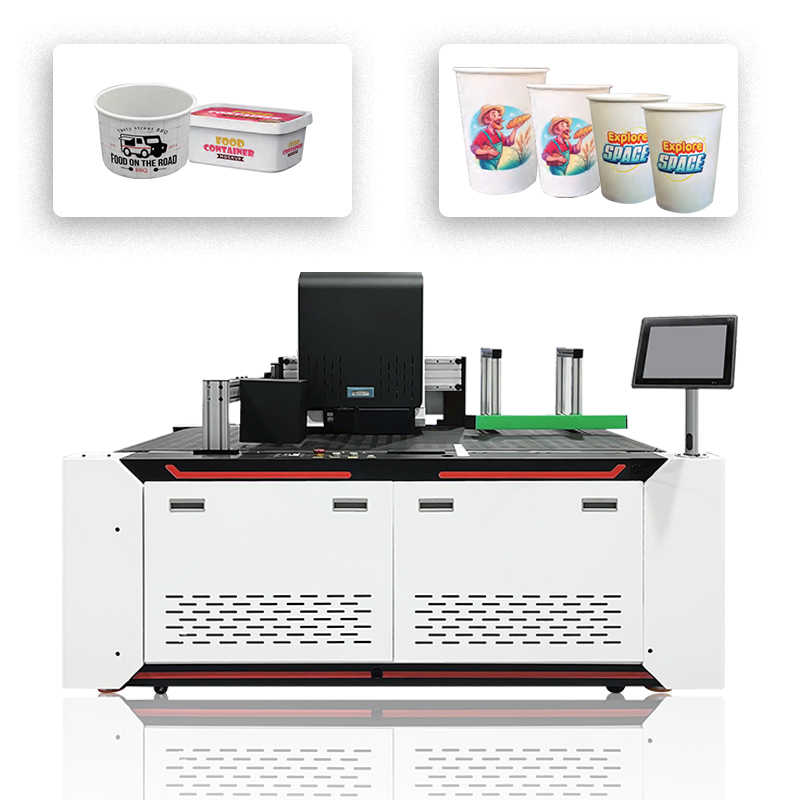
4. Application practice + industry hotspots: RFID tags and intelligent tags
Today, the fastest growing application areas for UV digital printers are RFID tags and smart clothing tags. These products need to use printing equipment to complete high-precision variable data printing (QR codes, serial numbers) on very thin substrates (30-80 μ μm PET), and can be compatible with the next step of chip packaging process. In terms of materials, it is necessary to use the coating materials with good affinity to the RFID adhesive layer, and the shrinkage rate of the ink after curing must be very low (<2%), otherwise it will curl the substrate and affect the reading and writing distance.
Low migration UV ink is used widely in these applications to ensure that the monomers in the ink do not migrate into clothing fabrics, satisfying safety standards such as Oeko Tex. On the components side, we need high precision encoders to carry out precise stepping, and a dual frequency curing system: first low power pre-curing shaping, and then high power deep curing to reduce the influence of heat on the chip. These practices are the full demonstration of the fact that the synergy between equipment , materials and components is the guarantee of production capacity and yield .
Frequently Asked Questions
Q1: How to judge whether a new material can be directly printed on UV digital printer?
A1: We propose the “two-step verification method”. First, use a Dyn pen to check the surface energy of the material. If the value is less than 38 Dyn, flame or corona pretreatment is necessary. Then print the sample and conduct a hundred-grid test and tape-peeling test. If the adhesion level is less than ISO 4, a primer must be applied or the ink type changed.
Q2. The white ink nozzle is likely to get clogged. What are the measures to be improved?
A2: The main reason why white ink gets blocked is pigment precipitation. Be sure to turn on the white ink circulation system of the device (if no circulation, recommended pause of no more than 20 minutes at a time). Before starting up every day, do the “ink discharge cleaning” cycle 2-3 times and rinse the pipeline with professional cleaning solution. At the same time, white ink products with finer particle size (<200 nm) can be selected for use.
Q3: Why do different batches of the same material have very different print effects?
A3: This is generally due to changes in surface coating or additives of the substrate. Suggest to set up a supplier incoming material inspection process and use a Dyn pen and standard test chart to confirm the surface energy and ink dot diffusion diameter for each batch. If the difference is significant, communication with the material supplier is needed to modify the coating formula or fine-tune the feathering curve of the printing software.
Q4: Are high power LED curing lamps better?
A4: No. Too much power can speed up substrate ageing or the brittleness of the ink layer, too low power can cause undercuring. The correct method is to calculate the required irradiation dose (mJ/cm^2) from the ink manufacturer’s “energy window” data and the printing speed, then set the lamp height and power to the window. The typical energy for colour ink is 300-600 mJ/cm2 and for white ink is 600-1000 mJ/cm2.
Conclusion
The technical basis of a stable and high-yield UV digital printing press is material compatibility, consumable management and component selection. Based on the research data of QYResearch, the global UV digital inkjet printer market is forecast to reach about 3.18 billion US dollars in 2025 and 7.48 billion US dollars in 2032, with a compound annual growth rate of 12.98%. In a market growing that fast, the differences in the equipment hardware become less and less important and the ability to optimise the matching of the material and ink components with the help of technological knowledge will be a watershed in the competition among printing companies.
The actual data show that the systematic implementation of the selection and maintenance strategy described in this article can increase the average service life of the nozzle from the industry average of 18 months to more than 25 months, reduce ink consumption waste by about 22%, and reduce the scrap rate caused by incompatible materials from more than 5% to less than 1%. For enterprises in the business of tags for clothing, RFID tags and card printing, these optimisations directly translate to higher daily effective output and lower total operating costs. Learning this guide is not only a basic skill for technical personnel, but also a core guarantee for enterprises to maintain competitiveness in the tide of intelligent, small batch and multi-variety production.

No responses yet