Description
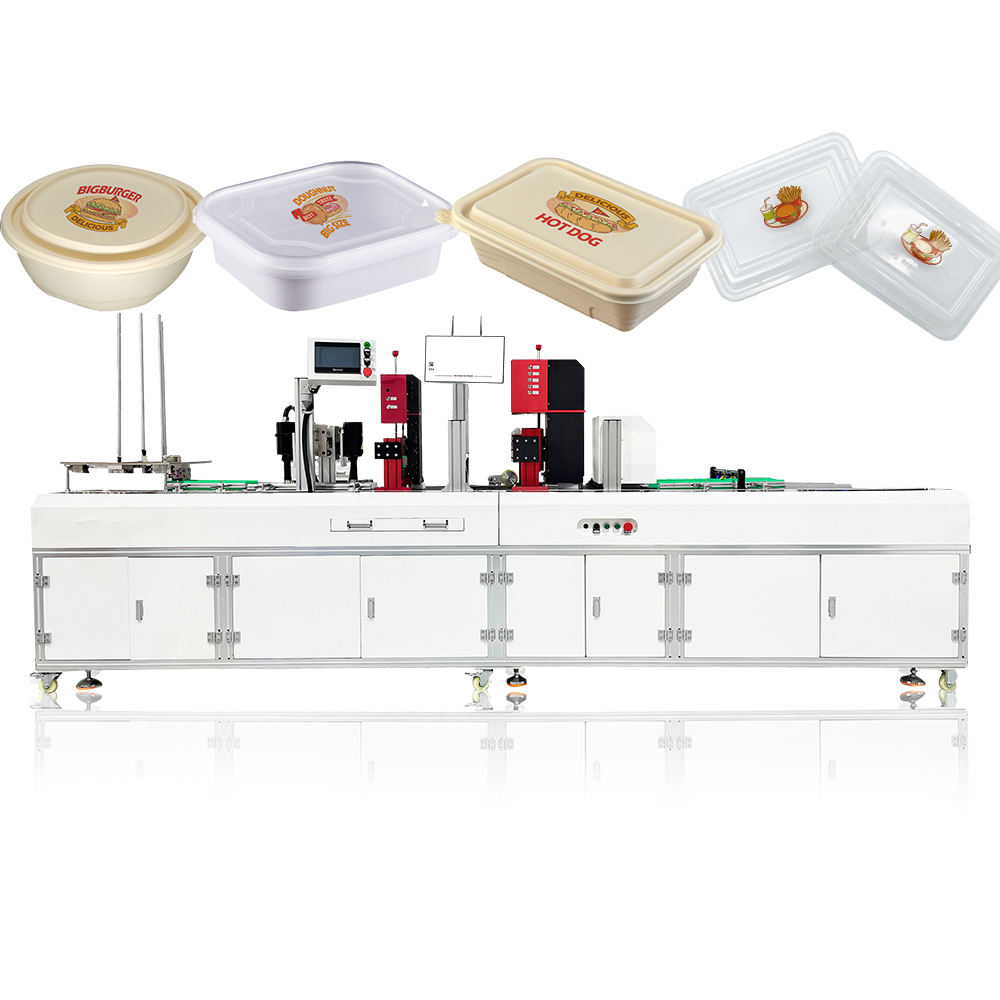
1.Technical specification of product
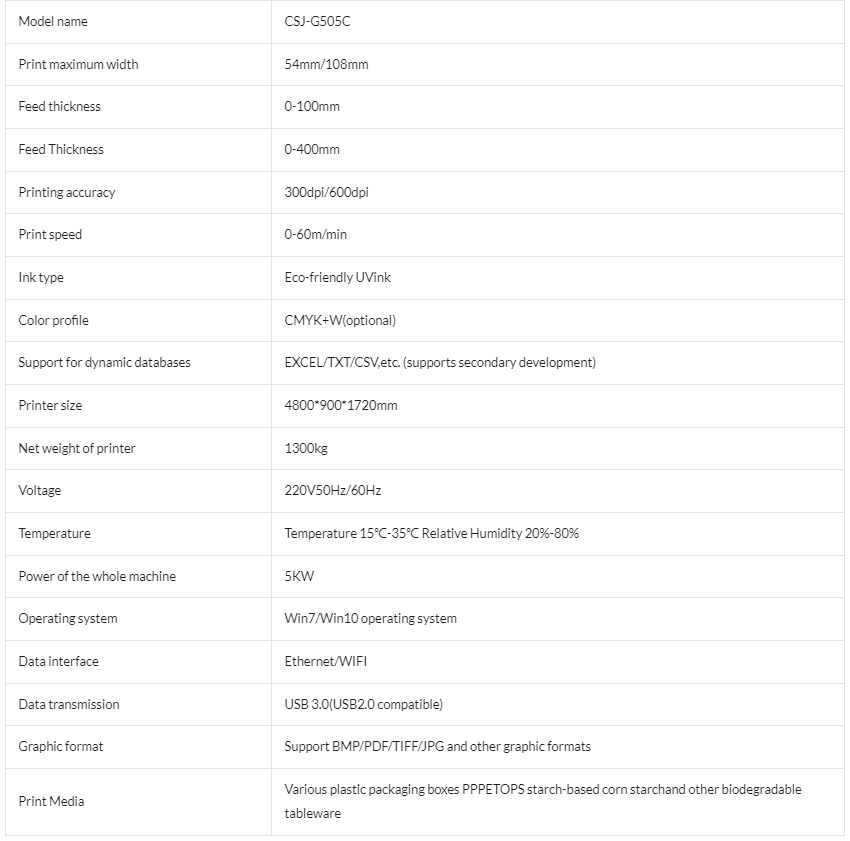
Specifications of the lunch box UV digital printing machine:
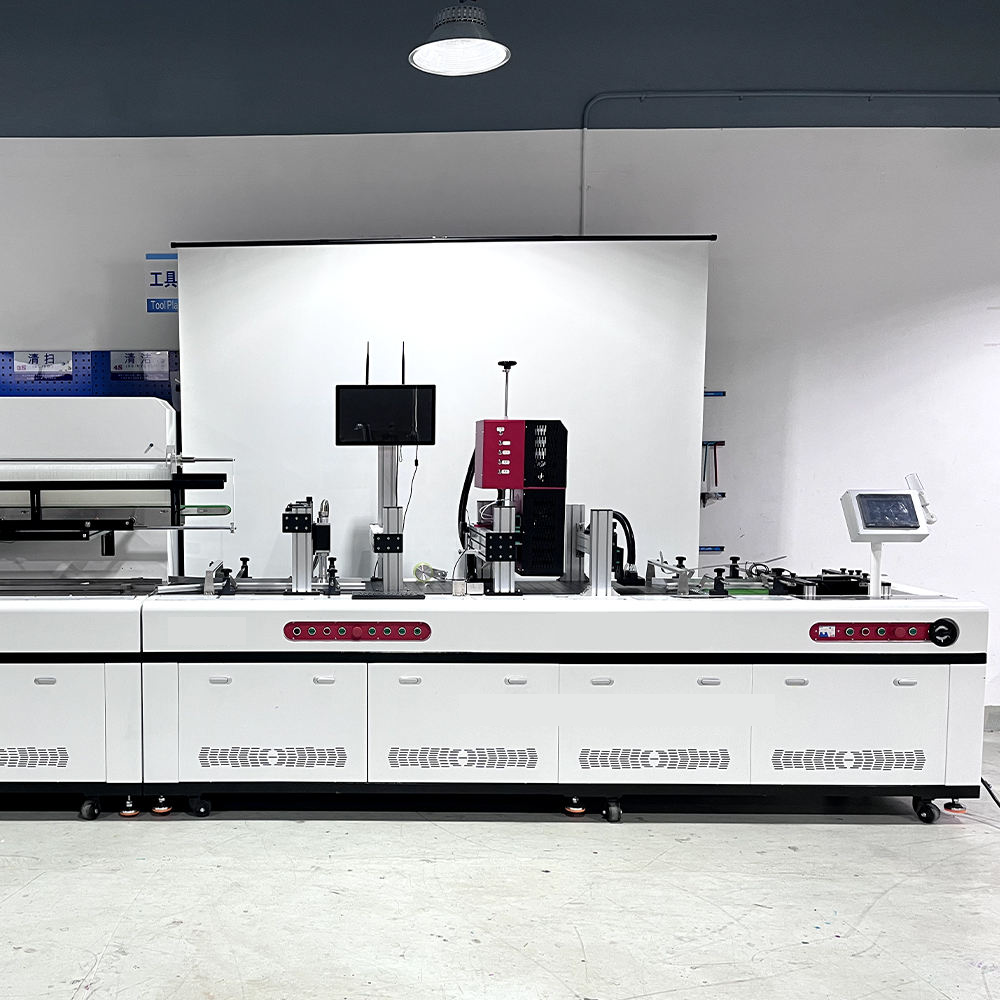
2.Detailed explanation of how the product works
1.Full-color UV digital printing and variable-data inkjet print system
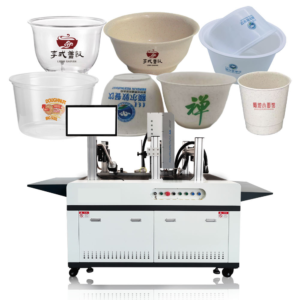
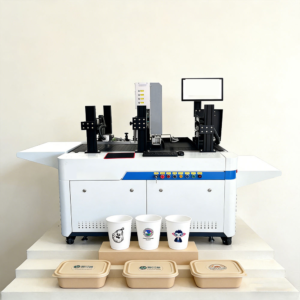
Lunch box UV digital printing machine is a kind of industrial-grade digital printing equipment specially designed for printing the surface of the round and square plastic lunch box covers. The device adopts the five-color ultraviolet digital printing system of CMYK+W (cyan, magenta, yellow, black, white), and uses LED-UV cold light source technology to achieve instant ink spraying and drying. Adding a white ink layer is an effective way to solve the problem of poor color rendering of transparent or dark plastic substrates, so that any base color of the food box lid can achieve saturated and vivid print effects. The device can import the drawings directly into the printing system in PDF, TIFF, JPG, BMP and other formats output by design software such as Adobe Illustrator, CorelDRAW and Photoshop, without the need for plate making or ink adjustment. The design draft can be transmitted from the computer to the finished product in just a few minutes, which greatly shortens the cycle of product sampling and small batch production.
In terms of printing speed, the linear printing speed of the lunch box UV digital printing machine can reach 0-60 meters per minute (the actual speed is affected by the thickness of the material, pattern coverage and resolution setting). For example, when using a common circular lunch box lid with a diameter of 120 mm, the equipment can print monochrome to four-color of about 6,000-8,000 lids per hour. The equipment can separate the stacked lunch box covers one by one and accurately feed them into the printing platform with the fully automatic vacuum adsorption type sorting system. After the completion of printing, the collection device with counting function automatically stacks them up and realizes the layered material retrieval. The device is equipped with a photoelectric sensor, which automatically stops the conveyor belt every time a layer is printed (for example, every 50 covers is one layer), which is convenient for operators to take them out layer by layer, avoiding the rubbing of wet ink layers in the stacking process and accurately counting the production of the shift.
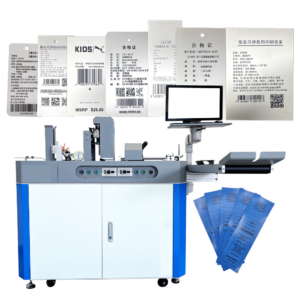
The main technical feature of this device is high precision. Industrial-grade piezoelectric nozzles have a physical accuracy of 600dpi, which can produce high definition patterns of 1200dpi through multiple scans or 1-directional printing modes. Thanks to this accuracy, the device can stably print two-dimensional codes (QR Code, Data Matrix) with a minimum dimension of 3 mm × 3 mm, as well as one-dimensional codes (Code 128, EAN-13, etc. The printed QR code has been tested according to the ISO/IEC 15415 standard and can be reached to the level of B to A, which can meet the scanning and traceability requirements of the food packaging supply chain. In addition to QR codes, the device also supports printing anti-counterfeiting codes, custom numbers, text, serial numbers, images and any variable information driven by databases. The upper computer can be connected through an Ethernet or USB interface to the system. The upper computer can read the database files in the TXT, EXCEL or CSV format in real time. And the coding content of each lunch box cover is automatically replaced in the continuous printing process, and the personalized anti-counterfeiting and traceability printing are realized with “one cover, one code”.
2.Intelligent quality control and pre-treatment of plasma surface module
The lunch box UV digital printing machine adopts closed-loop control system to detect and automatically eliminate non-conforming labels. After the printing is completed, the device’s built-in high-resolution visual inspection module will scan the printed content on the lid of the lunch box one by one. The system can detect the following defects: missing print (missing codes), failure to read QR/1D codes, insufficient contrast, positional deviation, and incorrect codes due to database duplication. If non-conforming products are detected, the pneumatic rejection device will push the defective products into the waste bin within 100 milliseconds, ensuring that the products flowing into the packaging process are 100% qualified. What’s more, the automatic coding function of the equipment is even more amazing. When the detection system finds that there is no coding printed on the lid of a certain meal box (for example, because of the blockage of the nozzle or the warping of the material, the printing is missing), the system will record the serial number of the missing position, and automatically trigger the reprinting program. In the subsequent blank area or through secondary feeding, the missing coding will be reprinted according to the correct sequence in the database, so that the traceability code of the whole batch of products is continuous and complete, avoiding the loss of rework caused by individual missing printing.
The equipment is equipped with plasma surface treatment technology module as standard equipment, which can fundamentally improve the adhesion between plastic surface and UV ink. The module uses a normal pressure plasma spray gun to produce high energy plasma jets in the processing width. The surface of plastic lunch box covers is bombarded with active particles (electrons, ions, free radicals, etc.) for two main functions, one is to remove residual release agents, oil stains and low molecular weight substances present on the surface (cleaning); The second is to introduce polar functional groups such as hydroxyl and carboxyl groups on the surface can increase the surface energy of plastics from 35-38 dynes/cm to more than 70-72 dynes/cm. The wettability of UV ink on PP, PE, PET, OPS and starch-based biodegradable plastics is greatly improved after plasma treatment and the ink droplets are spread evenly, not shrunk into beady shapes. In real tests, the pattern printed after plasma treatment can achieve adhesion of ISO 2409 level 0 (tested with a hundred-grid knife and 3M tape, with completely smooth cutting edges and no grid shedding). The control group without plasma reached generally only 2-3 levels (significant shedding) under the same conditions. This technology ensures that the printing of the production date, brand logo and traceability code on the lid of the lunch box will not have ink or scratches in the subsequent stacking, transportation, refrigeration and even microwave heating process.
3.Compatibility with a variety of materials and rugged industrial design
In terms of material compatibility, the lunch box UV digital printing machine is compatible with almost all common plastics in the food packaging industry, such as polypropylene (PP), polyethylene (PE), polyethylene terephthalate (PET), oriented polystyrene (OPS), polylactic acid (PLA), starch-based composite materials, etc. The equipment can cut circular or square lunch box covers, the thickness of 0.2 mm to 5 mm, the external size of 80 mm to 250 mm, by adjusting the gap between the pressure rollers and the vacuum suction wind force. The smart distance measurement system between the nozzle and the material automatically adjusts the Z-axis height, whether the lid has a flat surface or a microconcave structure, which guarantees precise focus. The equipment is mounted on an integral welded frame with industrial linear guide rails. The body weight is 1300 kg, and the amplitude of vibration during operation is controlled within ± 0.01 mm, which guarantees the stability of printing accuracy at long-term high-speed operation. The nozzle uses a fully enclosed circulating ink supply system with automatic cleaning and moisturizing functions, so it can quickly enter a stable working state even after shutdown during holidays.
3.Typical application situations
1.Integrated production of packaging for leading brands of the catering chain
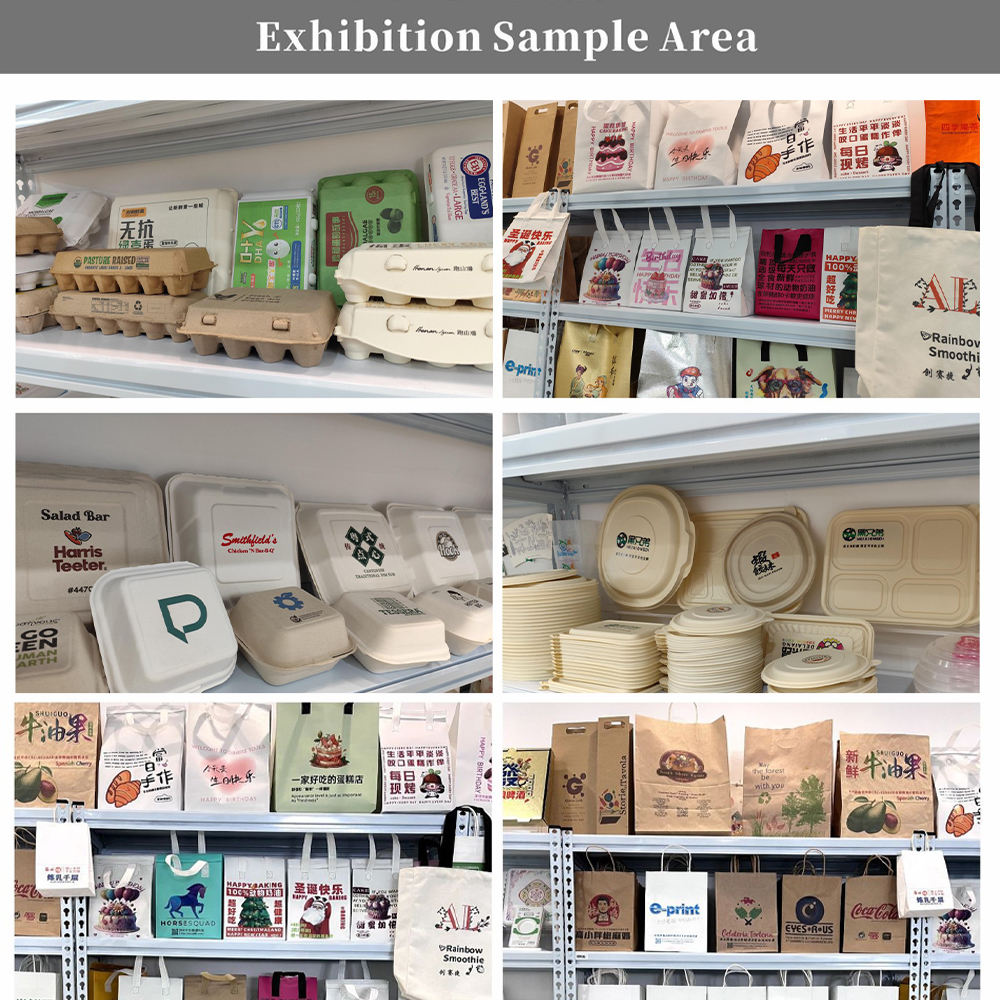
The printing quality of meal box covers is a high-frequency consumer touchpoint for global fast food chain brands and their contract factories, and it is directly related to the professionalism of the brand. The lunch box UV digital printing machine can directly print the brand standard logo, product name, net content, nutritional content table, allergen reminder and “recycling mark” on the lid, replacing the traditional self-adhesive labeling method. There are some inherent disadvantages of the labeling process, such as label edge curling, residual glue pollution and slow manual labeling speed. But direct printing not only saves the cost of label consumables, but also the hazard of harmful substances precipitated from adhesives in refrigerated or microwave environments. The high speed printing capacity of the equipment (about 8000 pieces per hour) can satisfy the single shift production demand of medium sized contract factories (about 60000 to 80000 pieces per day). At the same time, the five-color system of CMYK+W can accurately reproduce the Pantone color codes, so that the color of the lunch box cover produced by different batches and factories is consistent and meets the strict requirements of the brand’s visual identity system. The multi-layer material collection device with counting function can be directly connected to the packaging station, after printing 50 lids, the collection device will automatically stack and send a prompt. The packaging efficiency is increased, and printing scratches caused by friction of stacking are prevented, as the entire layer is forwarded to the packaging station by the operator without secondary counting.
2.Food supply-chain traceability and anti-counterfeiting coding
As the traceability requirements for the food supply chain under the EU Food Information Regulation (EU) 1169/2011 and the US Food Safety Modernization Act (FSMA) are continuously improved, more and more overseas buyers require meal box cover manufacturers to print a unique traceability code on each packaging unit. The lunch box UV digital printing machine can directly read the enterprise MES or ERP system order batch number, production line number, raw material batch, production time and other information through the variable data printing function, and generate and print QR codes or Data Matrix codes in real time. Consumers or regulatory agencies can scan the QR code to obtain all the traceability information from the source of raw materials to the factory inspection report. The device’s inbuilt read-write detection system will automatically check the readability of each code, reject unreadable or wrong products and trigger a reprinting mechanism, to ensure that each box of products despatched to overseas markets has a full and correct traceability chain. In addition, the device can also be used for printing anti-counterfeiting codes. Through a database to generate random and unique anti-counterfeiting serial numbers, combined with QR code encryption technology, to help brands effectively fight against counterfeit and inferior food boxes, protect brand rights in overseas markets.
3.Flexible production and customized orders for small and medium-sized businesses in e-commerce
With the growth of cross-border e-commerce and food delivery platforms, the demand for customized food box covers is booming. Small-scale start-up catering brands, internet celebrity collaborations, and holiday limited editions, for example, often receive only a few hundred to a few thousand orders. Such orders cannot be economically fulfilled through traditional screen printing (high plate-making costs, single-color plates are priced at around 100-300 US dollars, large minimum order quantities, usually more than 5000). UV digital printing machine for lunch boxes does not need to make plate, and can directly output design drawing. The printing cost of a single lunch box cover can be reduced considerably in small batches, starting from one. Users of the Shenzhen device have shared that when using this device to undertake overseas customised meal box cover orders, the minimum order quantity is 50, the printing cost per piece is only 1/5 to 1/3 of silk screen printing and the delivery cycle has been shortened from 7 days to 24 hours. You can print custom numbers, text, images and even photos directly from the device. Restaurants can print their menu QR codes, social media accounts or holiday greetings on the lid to increase consumer engagement. It can also print serial numbers from A0001 to Z9999. This is very convenient for e-commerce sellers to do inventory and anti-counterfeiting queries.
4.Printing on biodegradable and environmentally friendly lunch box covers
Driven by the global “plastic restriction order”, the application proportion of biodegradable materials such as starch-based materials in lunch box lids is rapidly increasing. However, these materials have very low surface energy (surface energy of PLA is about 32 dynes/cm) and poor heat resistance. Traditional heat transfer printing or solvent-based inks often can not stick firmly and even cause deformation of the lid under high temperature. The plasma surface treatment technology used in the lunch box UV digital printing machine can increase the surface energy of PLA to more than 70 dynes/cm at room temperature. Conversely, it can reach an adhesion level of more than 5 years (level 0) without being exposed to high temperatures when combined with low-migration UV ink (total migration ≤ 10 mg/dm², in accordance with EU 10/2011 regulations).
5.The integration of production lines and intelligent upgrade of Industry 4.0
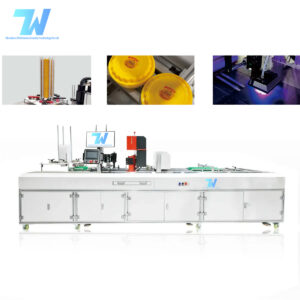
Lunch box UV digital printing machines can be used independently or embedded in the entire injection molding, printing, inspection, packaging and automation production line in large food packaging factories. The device offers an open Programmable Logic Controller interface and OPC UA communication protocol, which facilitates signal interlocking with the picking robot arm and automatic packaging machine of the injection molding machine. For example, when the injection molding machine produces a lid for a lunch box, the robotic arm places the lid into the feed bin of the printing machine. When the printing is completed, the lid that passes the inspection is automatically fed into the collection device for counting and layering, and is transported by the AGV car to the packaging area. The whole process needs no manual intervention, which can greatly reduce the labor cost in overseas markets. The equipment database management software supports the issuance of remote printing tasks and real-time output upload. Managers can monitor the equipment operation status, consumables remaining and daily yield of Shenzhen factory through web from anywhere in the world, achieving the truly digital production management for global market.
Reviews
There are no reviews yet.