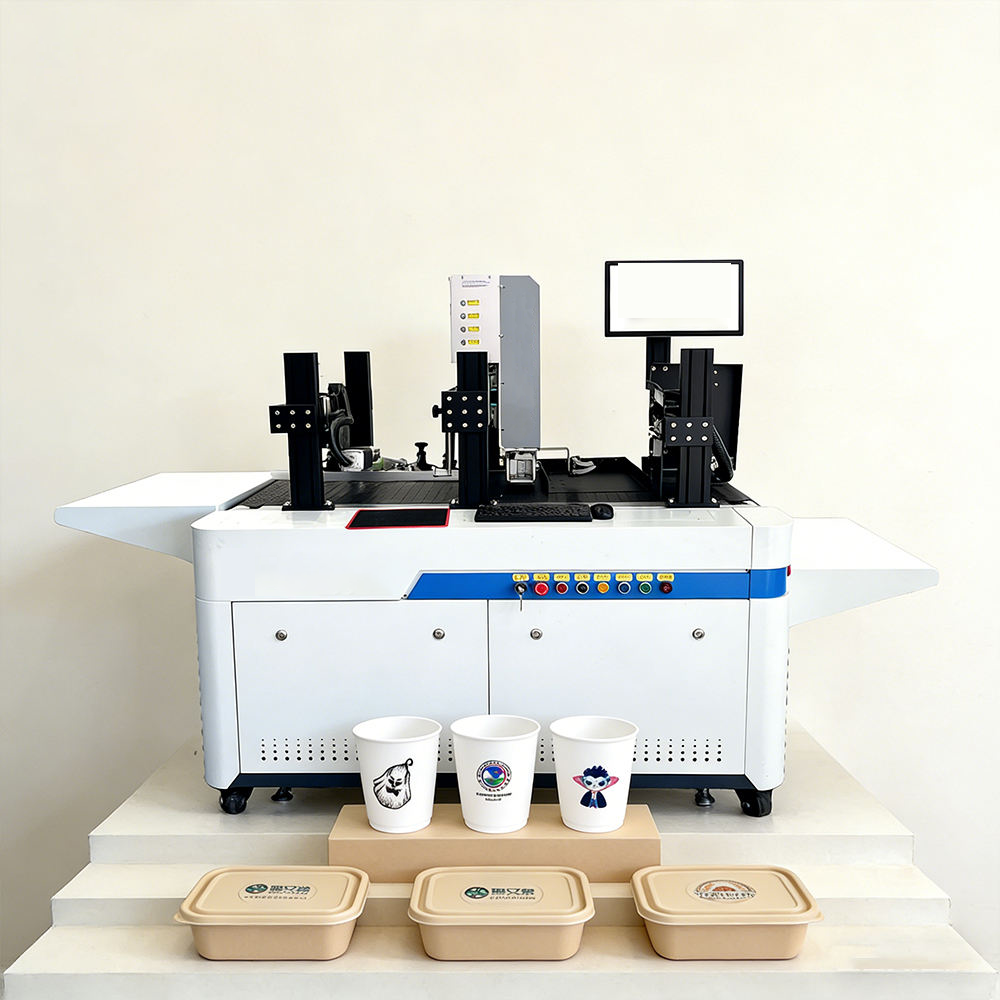
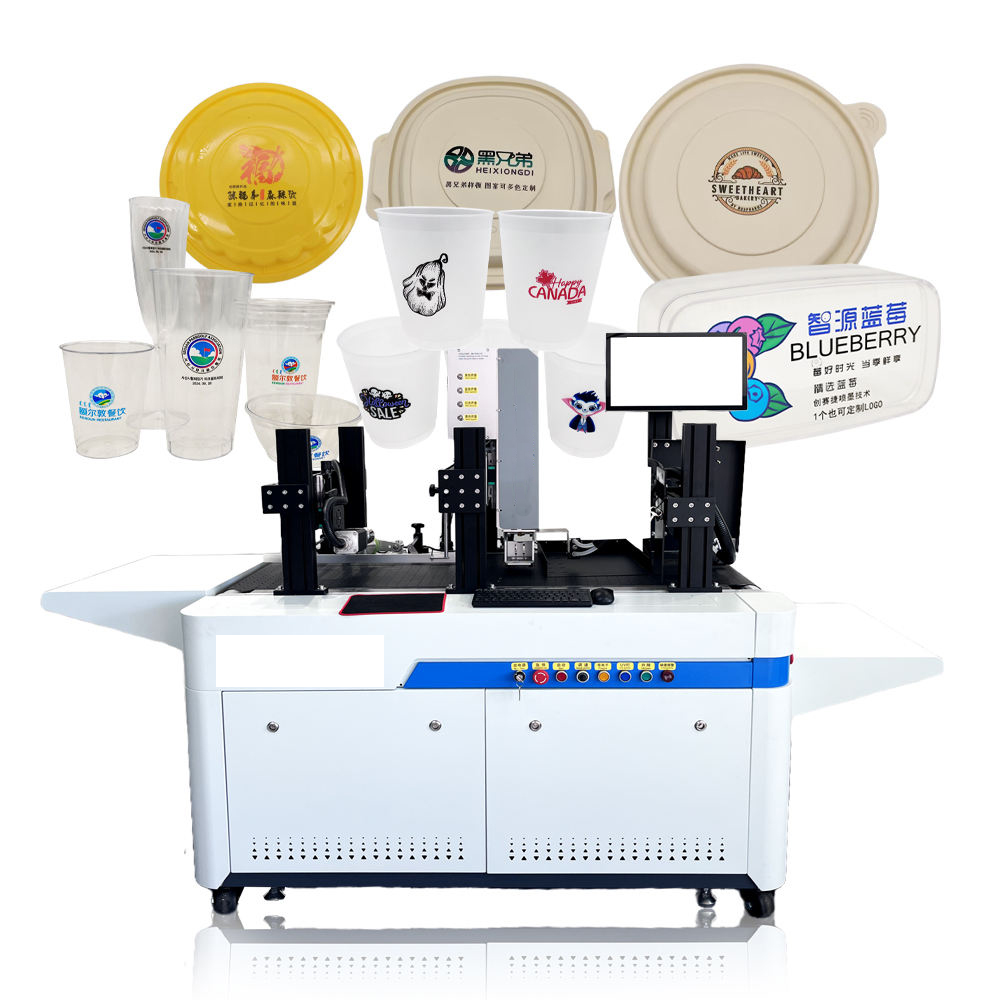
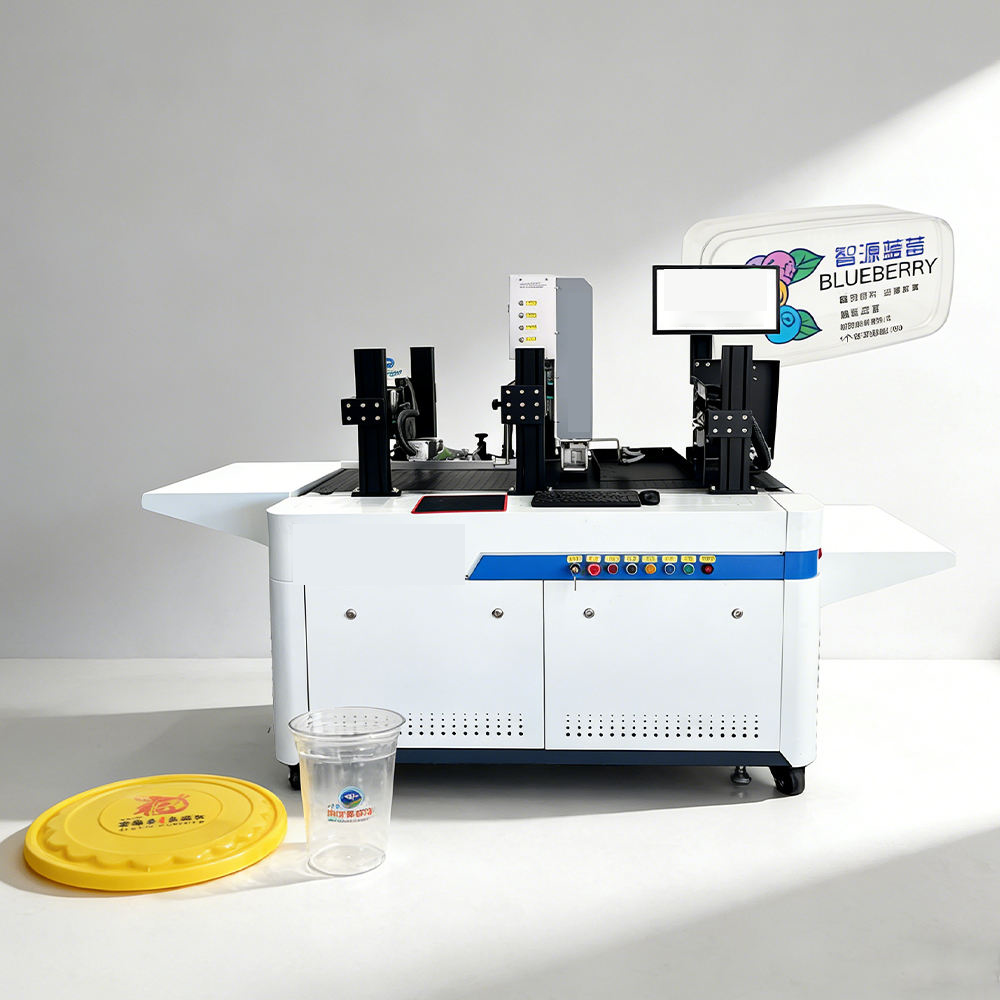
Description
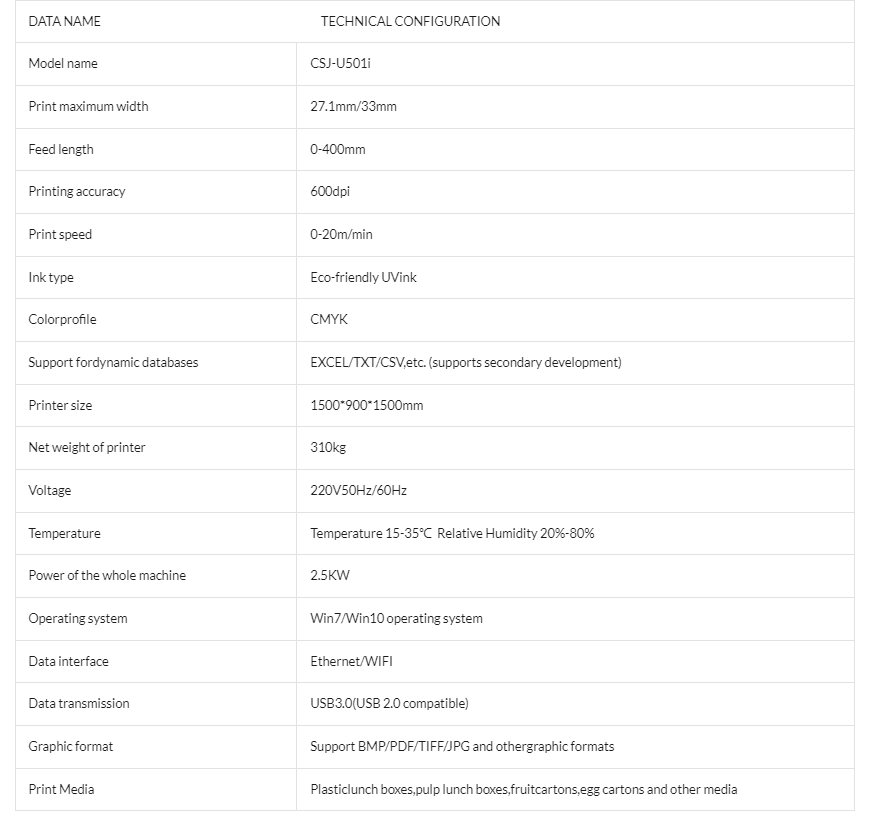
1.Specification parameters
2.Product Features
2.1 Core capabilities of digital printing on cylindrical and irregular surfaces
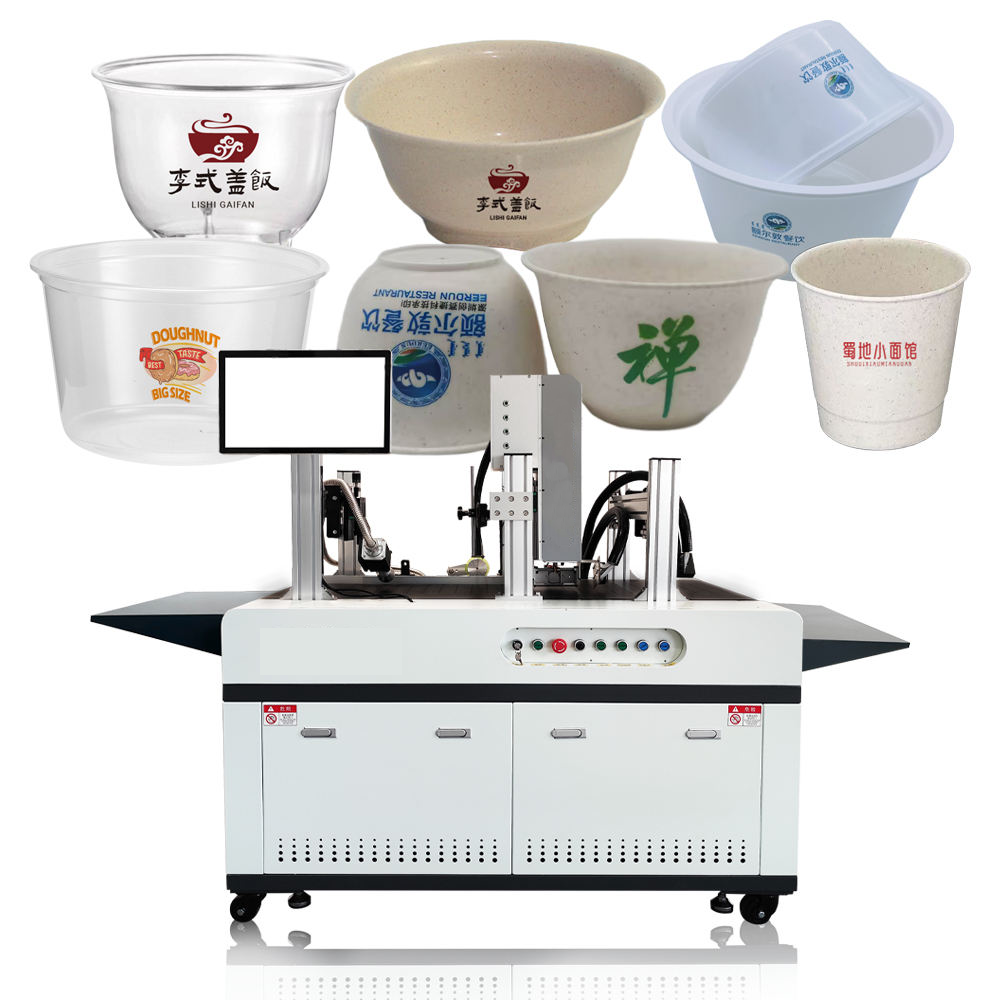
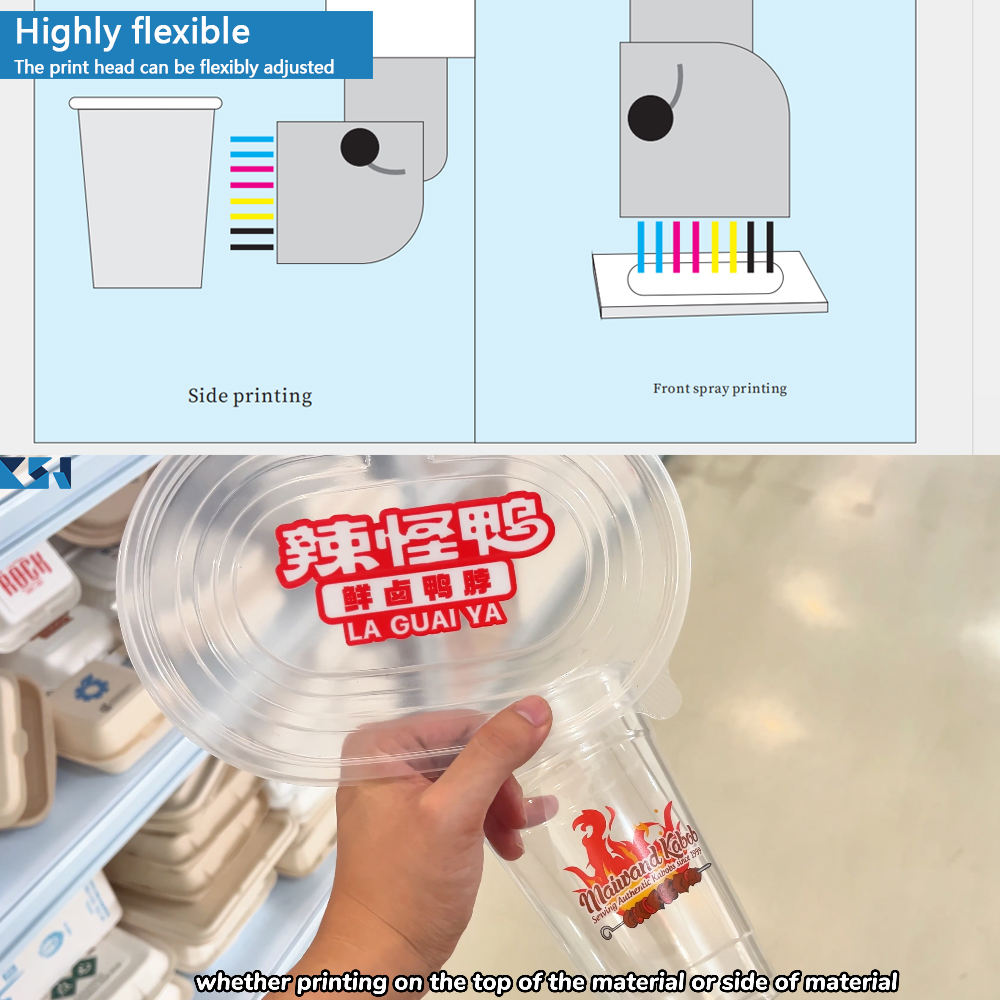
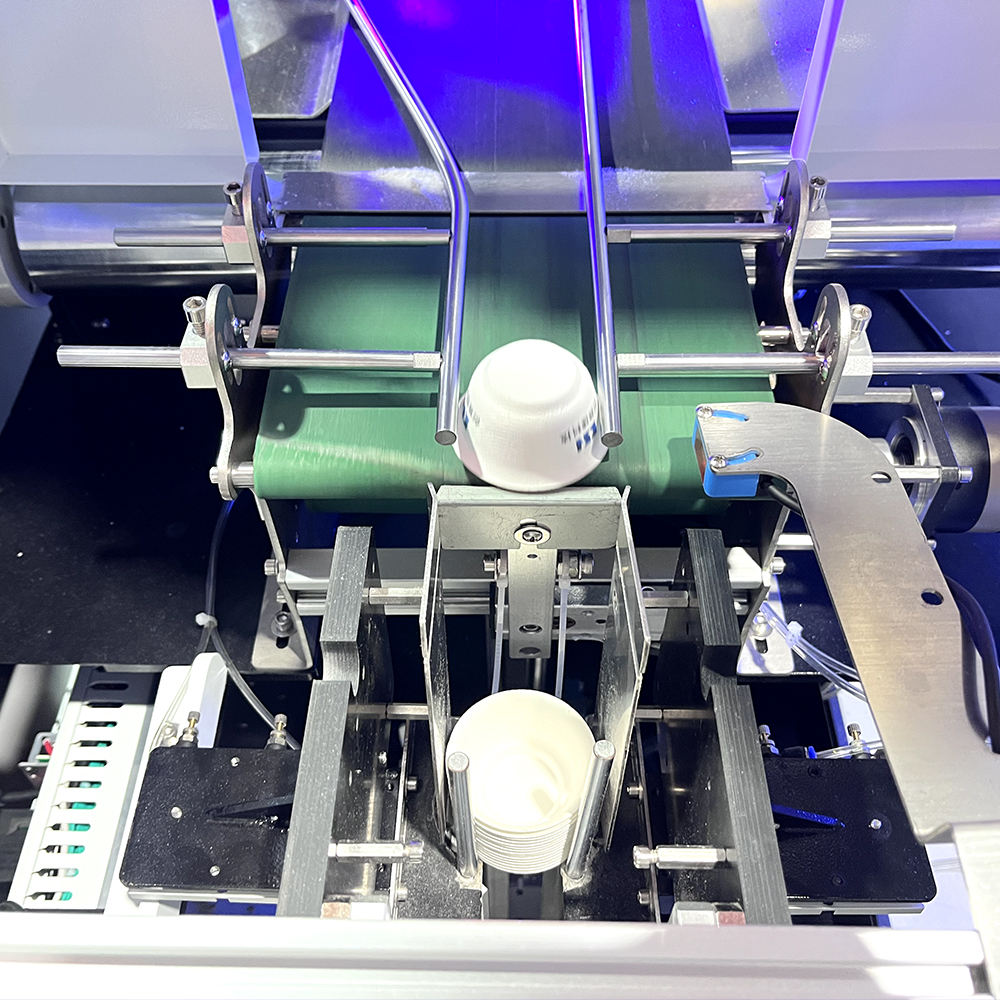
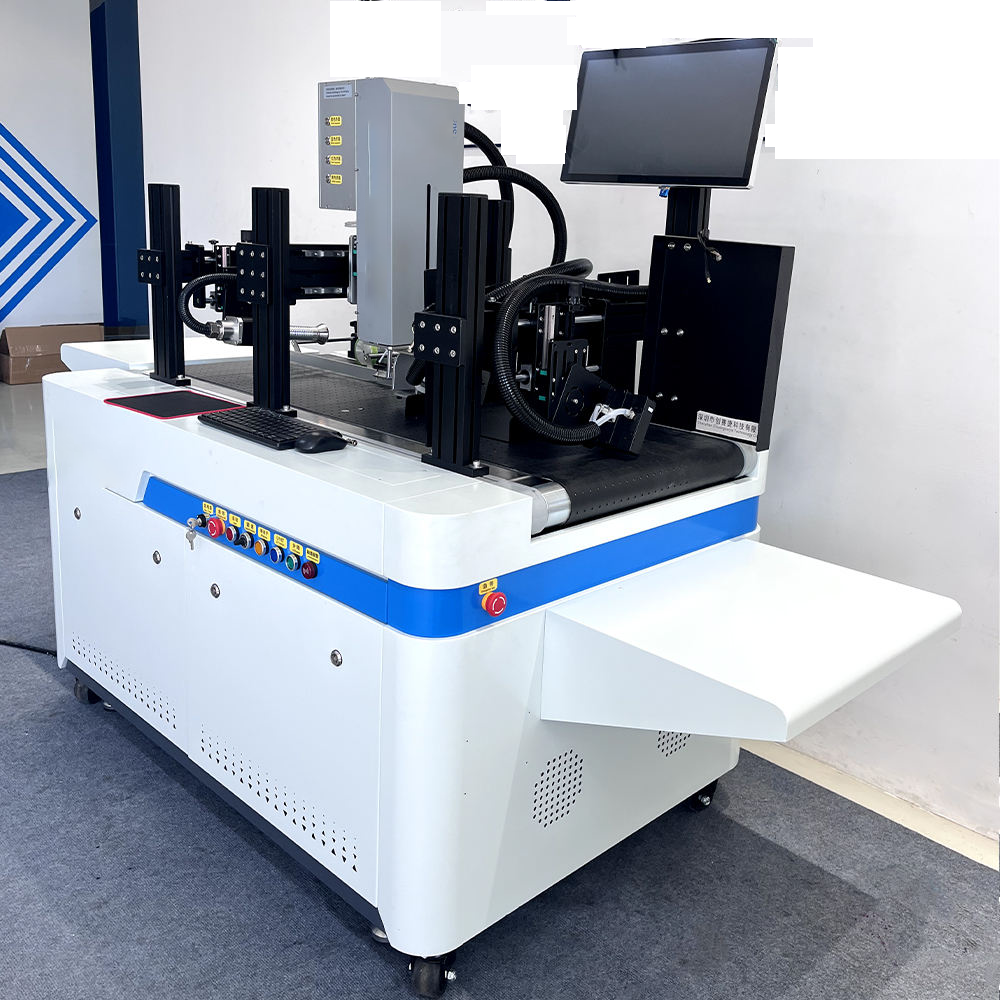
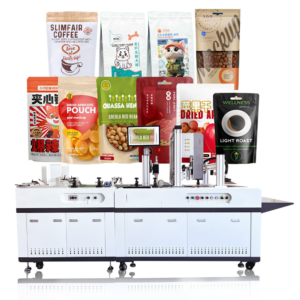
The UV-side digital printing machine is an industrial equipment specifically designed for direct inkjet printing of cylindrical, conical, elliptical, and irregular curved objects. Unlike traditional screen printing, transfer printing, or labeling processes, this equipment uses a piezoelectric industrial nozzle to spray UV ink onto the surface of a uniformly rotating object and uses a built-in UV-LED lamp to cure the ink within milliseconds, forming a printing layer with high adhesion, scratch resistance, and strong weather resistance. This technology does not require plate making, film making, or molds and can be produced with just one image, completely changing the dilemma of traditional side printing, which has long plate-making cycles, high replacement costs, and small-batch profitability.
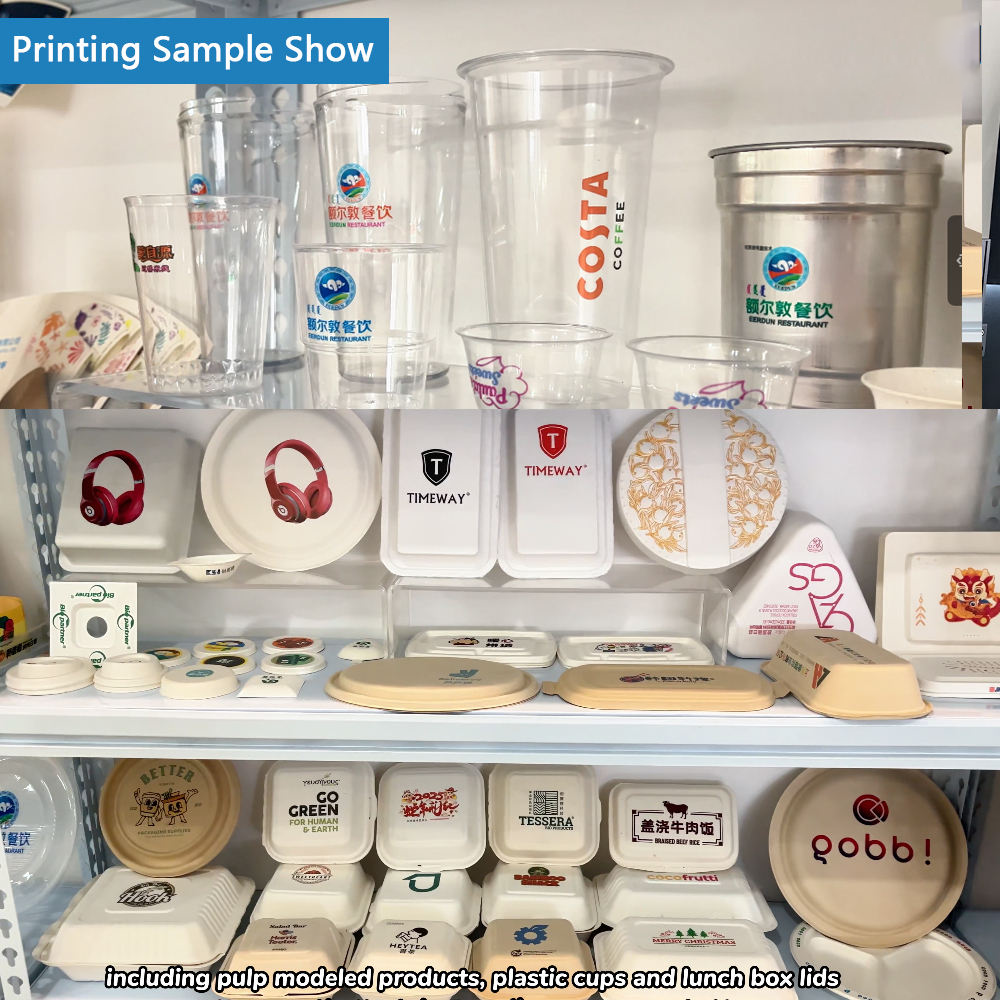
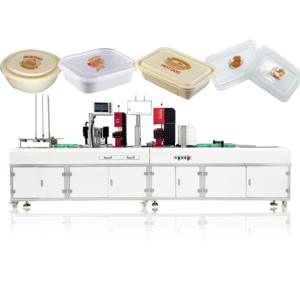
In specific production scenarios, UV-side digital printing machines can perform 360° seamless surround printing on the following products: finished ceramic tea cups (diameter 60-90 mm, height 80-120 mm); sides of plastic or PP lunch boxes (diameter 80-150 mm, height 100-200 mm); stainless steel industrial packaging boxes (diameter 100-200 mm, height 150-350 mm); as well as glass wine bottles, thermos cups, cosmetic bottles, electronic cigarette tubes, candle holders, metal round tubes, etc. The device achieves stable clamping and high-precision rotation of objects with different diameters (10-200mm) and weights (up to 30kg) through a replaceable rotating fixture system, ensuring that the accuracy of ink droplet landing points on each circumference is controlled within ± 0.02mm, achieving an output resolution of 1200 × 2400 dpi.
From the perspective of production efficiency, the speed performance of this equipment has been tested: for a ceramic teacup with a diameter of 70 mm and a height of 100 mm, the complete printing time for a single piece, including white ink primer, color pattern, and gloss oil, is 25 seconds, which is equivalent to an hourly production capacity of about 144 pieces; for a plastic lunch box with a diameter of 120 mm and a height of 150 mm, the printing time for a single piece is 30 seconds, and the hourly production capacity is 120 pieces; for small-sized cosmetic bottles (diameter 30 mm, height 60 mm), the speed can be increased to 15 seconds per piece, with an hourly production capacity of approximately 240 pieces. Compared to traditional silk screen printing (which requires plate making, color alignment, and individual printing for each color), UV-side digital printing machines have increased efficiency by more than 300% for small batch orders, and changing orders only requires replacing image files and adjusting fixtures in the software, taking no more than 5 minutes.
2.2 High-precision output and multidimensional information printing capability
The high-precision characteristics of UV-side digital printing machines make them capable of handling industrial-grade variable data printing tasks. In the resolution mode of 1200 × 2400 dpi, the device can clearly print high-density QR codes (such as QR Code and Data Matrix) with a minimum size of 3 mm × 3 mm. After verification by the scanner, the success rate of the first reading exceeds 99.5%, fully meeting the requirements of product traceability, anti-counterfeiting verification, and digital marketing. In addition, the device supports printing one-dimensional codes (EAN-13, Code 128, UPC-A, etc.), anti-counterfeiting codes (supporting random encryption algorithm generation), custom numbers/text, serial numbers (supporting customizable starting numbers, step sizes, and digits), and database information (such as production dates, batch numbers, and operator codes), as well as high-precision images and logo patterns. All variable content can be automatically called through the variable printing module of RIP software, without the need for manual file-by-file editing.
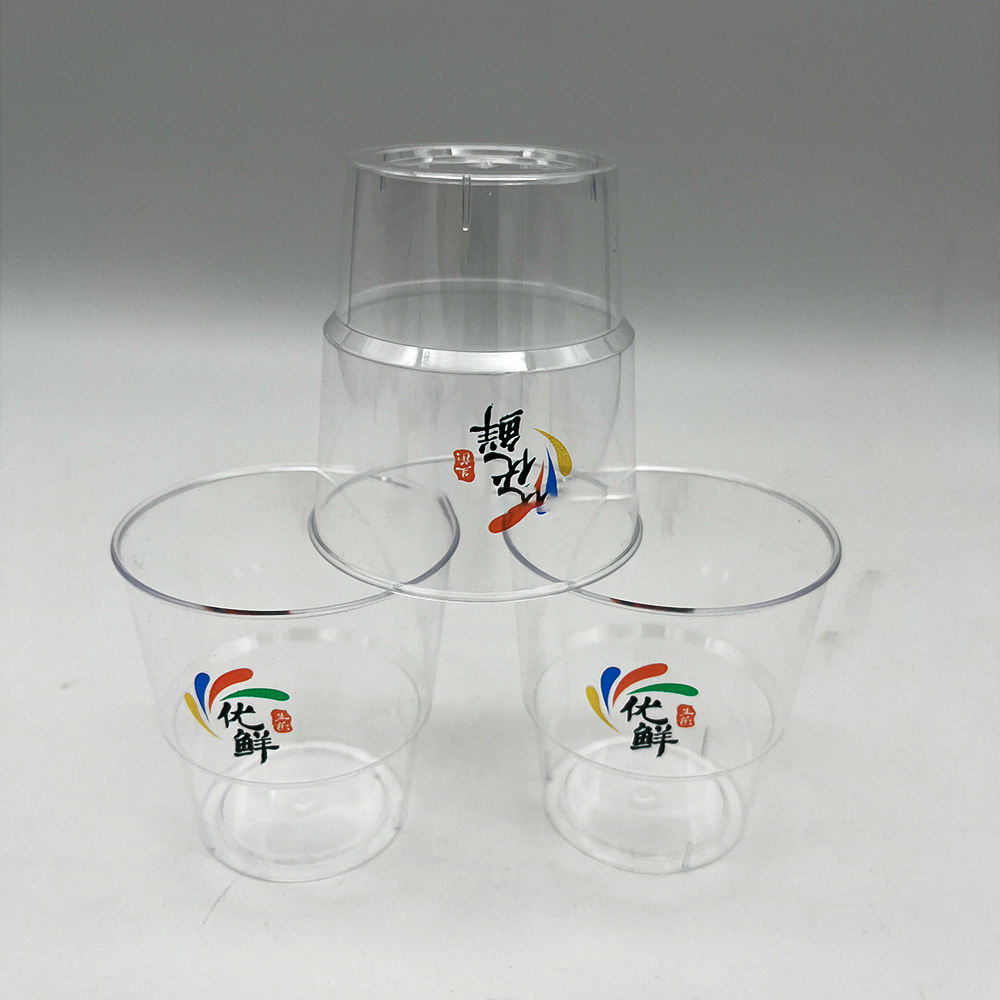
In terms of color expression, the UV-side digital printing machine comes standard with CMYK four-color ink and can be optionally equipped with white ink (for a transparent material base) and gloss oil (for increasing glossiness or a matte effect). The application of white ink makes it possible to print colored patterns on transparent glass cups and plastic lunch boxes—by first spraying white ink to form a backing and then spraying CMYK colors, the color saturation reaches more than 90% of the printing effect of ordinary copperplate paper. The device supports ICC color management curve calibration, and the Pantone color card matching rate can reach over 85% (non-fluorescent colors). Users can choose different color profiles such as high saturation, high coverage, or high transparency according to product requirements, achieving different visual effects from a bright advertising level to an elegant consumer level.
2.3 Intelligent detection and fully automated production line integration function
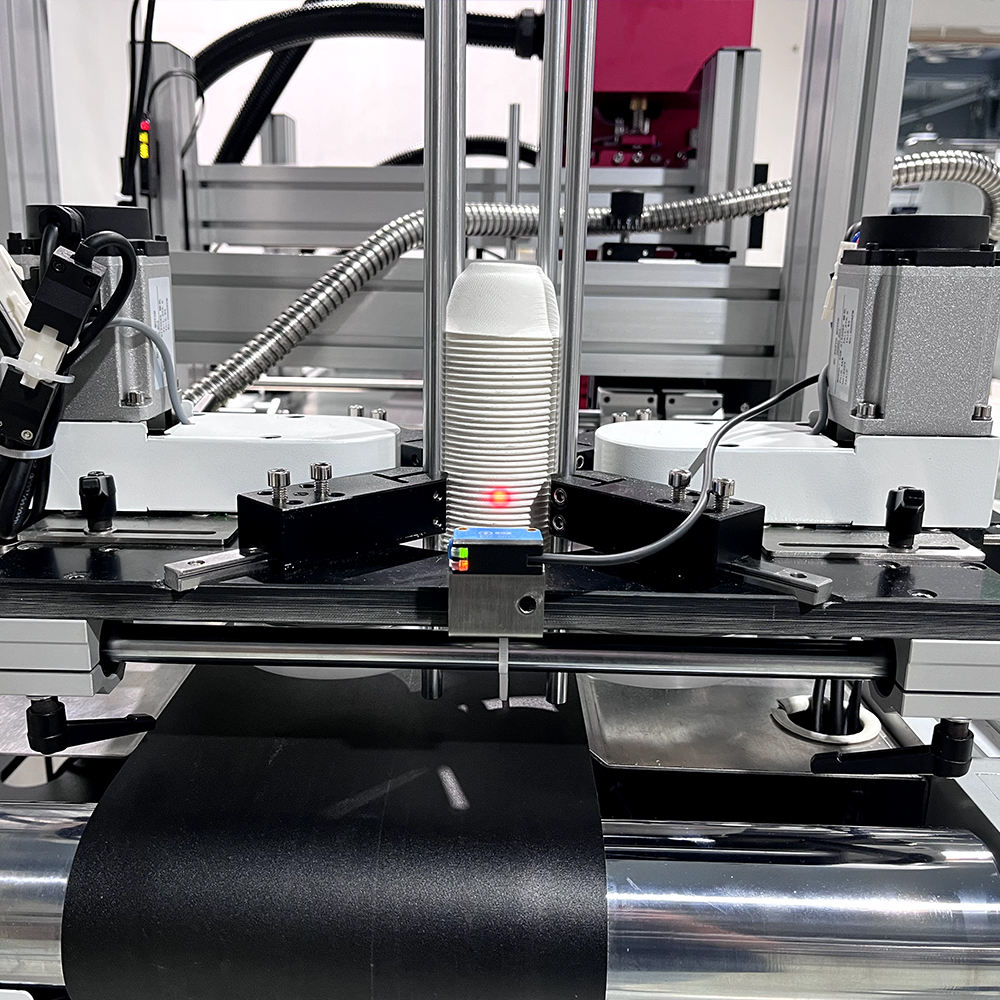
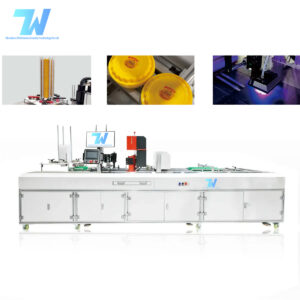
For large-scale production scenarios, UV-side digital printing machines integrate three key intelligent functions, significantly reducing manual intervention and improving yield. Firstly, the read-write detection function: After the printing is completed, the device automatically reads the newly printed encoded information (QR code, one-dimensional code, or serial number) through the built-in high-resolution industrial camera or laser scanner and compares it with the preset content in real time. The misjudgment rate of this detection system is less than 0.1%, and it can output detection logs for each batch of products, meeting the requirements of the ISO quality traceability system. Secondly, automatic removal of non-conforming products: When the detection detects missing codes, blurry printing, unreadable QR codes, color deviations exceeding the set threshold, or positional deviations, the equipment automatically sends the non-conforming products to the waste collection box through a pneumatic removal mechanism (or mechanical fork) to avoid flowing into the next process. Thirdly, automatic supplementary coding: For products that have not been successfully printed with codes due to abnormal material surfaces or temporary nozzle blockages (i.e., no codes on the label or incomplete codes), the equipment will automatically trigger the supplementary spraying process—before the removal action, a directional supplementary spraying will be performed again on the same product to ensure the continuity and integrity of the serial number, without the need for manual post-coding. The collaborative work of these three functions enables the UV-side digital printing machine to be embedded in fully automatic packaging production lines, achieving full closed-loop control from “loading → printing → detection → removal → respraying → unloading,” which is particularly suitable for industrial packaging box production lines with strict rhythm requirements.
2.4 Wide material compatibility and sturdy and durable design
The UV-side digital printing machine performs well in material compatibility. By adjusting the wavelength of UV-LED curing (standard 395 nm, optional 365 nm) and ink formula, it can be used in ceramics, glass, stainless steel, aluminum alloy, tinplate, acrylic, PC, PVC, ABS, PP, PE, etcPC、PVC、ABS、PP、PE. Stable printing can be achieved on various materials such as wood, leather, and composite materials. Low surface energy materials (such as PP and PE) require online corona treatment or primer pretreatment, and the adhesion can reach the 4B-5B level of the ASTM D3359 standard; for high surface energy materials such as glass and stainless steel, no pretreatment is required for direct printing. The device also supports an automatic lifting nozzle system, which can adapt to a maximum object thickness of 50mm. The drop is automatically measured by sensors, and the distance between the nozzle and the object surface is adjusted to maintain the optimal spraying range of 1.5-2.5 mm.
In terms of mechanical structure, the equipment adopts an integral cast iron or heavy-duty steel plate frame, and the base has undergone tempering aging treatment, which will not deform during long-term operation. The spindle of the rotating fixture is driven by a high-precision servo motor, with a repeat positioning accuracy of ± 0.01 mm. After 500 hours of continuous full load operation testing, there has been no loss of steps or uneven rotation. In terms of nozzle protection, the equipment is equipped with an automatic negative pressure cleaning system, collision-sensing device, and white ink circulation mixing system (to prevent white pigment sedimentation and blockage). The design value of MTBF (mean time between failures) for the entire machine is 8000 hours, suitable for a three-shift continuous production environment.
3.Frequently Asked Questions (FAQ)
3.1 Regarding Materials, Adhesion, and Production Preparation
Q: Can the UV-side digital printing machine directly print on finished ceramic teacups? Do you need pre-processing?
Answer: It can be printed directly. The surface glaze layer of the finished ceramic cup belongs to high-surface-energy materials, and the UV ink adheres well. It is recommended to wipe the surface with anhydrous alcohol to remove oil stains before production, without the need for any other pre-treatment. The printed pattern is UV-cured and can withstand dishwasher cleaning (tested, and no significant peeling was observed after 500 cycles of cleaning). For unglazed ceramics or glass, adhesion-promoting UV ink or thin-coating primer can be used.
Q: The side of PP plastic lunch boxes is usually very slippery. Will the ink fall off?
Answer: PP (polypropylene) belongs to low surface energy materials, and its direct printing adhesion is weak. We recommend a two-step approach: firstly, using an online corona treatment machine (which can be integrated in the front of the equipment) to perform plasma or corona discharge treatment on the surface of PP, increasing the surface energy to over 42 dynes; secondly, using a PP-specific primer for manual or automatic spraying. After the above processing, the hundred-grid test after printing can reach level 4B (slight peeling of the edge of the incision and less than 5% of the peeling area in the grid area). For industrial packaging that requires extremely high scratch resistance, it is also possible to choose to apply a layer of protective varnish after UV curing.
Q: Can the device print ultra-fine objects with a diameter of less than 10 mm, such as lipstick tubes or electronic cigarette tubes?
Answer: The minimum clamping diameter for standard fixtures is 10mm. For objects ranging from 5 to 10 mm, there are microelastic fixtures or internal expansion core shafts. The minimum support diameter is 5mm. At the same time, the speed should be changed because the smaller the diameter, the lower the surface linear velocity, and the nozzle ignition frequency should be adjusted appropriately. Suggest providing samples for sampling and testing at the Shenzhen factory.
3.2 Integration of coding, printing, detection, and automation
Q: How to ensure that every batch-printed QR code can be scanned? Does the device have a real-time verification mechanism?
Answer: Yes. The device comes standard with a read-write detection module, which reads the QR code immediately with an industrial camera after each product is printed. The grading criteria are based on ISO/IEC 15415 (QR code quality). If the level is lower than the C level (2.0), the equipment will be judged as a non-conforming product and automatically removed. At the same time, the system will record the reason for the failure of the QR code (such as insufficient contrast, distortion, module damage), helping the operator adjust the nozzle voltage or curing power in a timely manner. Actual test data shows that in 1200 × 1200 dpi mode, the first pass rate (A/B level) of 10mm × 10mm QR codes can remain stable at over 98%.
Q: How does the serial number supplement function work specifically? Will there be duplicate numbers?
Answer: The workflow of this automatic supplement function is to preset the range of device numbers (such as SN001 to SN1000). When the printer completes the product, the detection module reads the count. If the product has no coding at all (due to nozzle blockage, the product completely turns white), the equipment will not immediately discard it but will reposition the product to a respraying station (using the same fixture or rotating it to a spare nozzle position) and only respray the missing coding. After the supplementary spraying is completed, testing will be conducted again. If successful, it will flow into the feeding area. If it fails, it will be taken away. All numbers are recorded in the system log so that the given number will not be printed twice. If supplementary spraying is carried out, the numbering order will be skipped. In this case, the “Supplementary Spraying Record” will be recorded in the log, and the final output report will be sorted according to the actual production order.
Q: Can the equipment be connected to the customer’s MES or ERP system to achieve real-time data upload?
Answer: Sure. The device provides a standard Modbus TCP/IP interface and database direct connection function (supporting MySQL, SQL Server, and PostgreSQL). The encoding, detection results, timestamps, and other data printed each time can be uploaded in real-time to the central server. Simultaneously supporting the issuance of work order parameters (such as batch number, starting serial number, and printing template ID) from the MES system, without the need for manual input on the equipment side. This function is widely used in large-scale industrial packaging box production lines.
3.3 Regarding maintenance, consumables, and export transportation
Q: Does the device need to clean the nozzle every day? Is the probability of white ink clogging high?
Answer: UV white ink has a higher pigment content than titanium dioxide, so it is easier to precipitate than colored ink. The device has an “automatic white ink circulation stirring system”—even in standby mode, the white ink pipeline will circulate every 15 minutes to prevent pigment precipitation. The automatic nozzle cleaning program (mild flushing) should be performed every 8 hours, and manual maintenance cleaning should be performed every 300 hours of operation. The average downtime caused by nozzle blockage exceeds 2000 hours under normal use (starting for more than 8 hours per day) and standard ambient temperature and humidity.
Q: Are the voltage and software language compatible when exporting from Shenzhen to Europe and America?
Answer: The factory can set 110V/220V dual voltage input (to be specified when ordering), and the power cord uses local standard plugs. The software interface supports 12 languages, including Simplified Chinese, English, Spanish, Arabic, etc. RIP software also supports an English interface. The equipment comes with an English version of the operation manual and maintenance video. In addition, our company is located in Shenzhen and has many years of experience in foreign trade exports. We can provide CE, FCC, and RoHS certification certificates and complete customs clearance documents.
Reviews
There are no reviews yet.