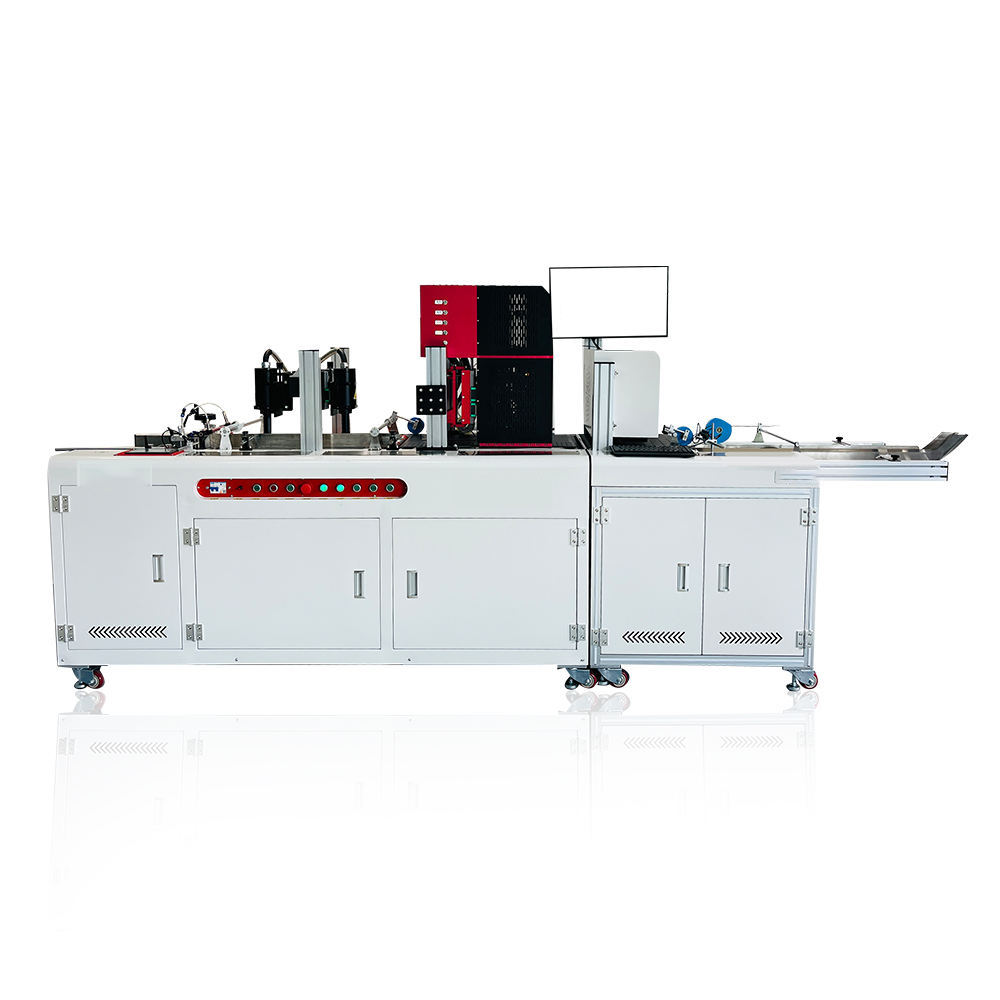
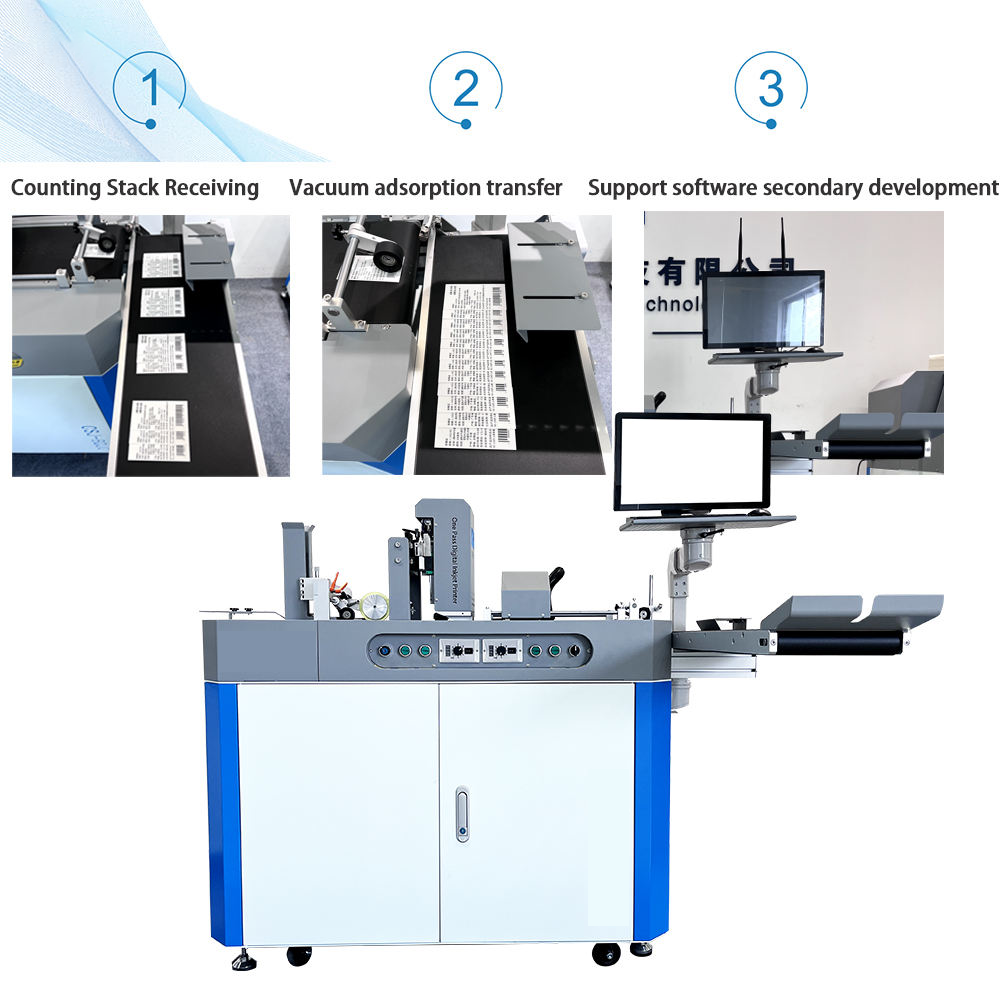
Hang tags are not just price tags or product descriptions anymore in clothing retail and ticket printing – they are an important medium for the brands to communicate texture and build consumer trust. The UV digital inkjet printer for hang tags is redefining the quality standards of hang tag printing with intelligent design, precise feeding and automatic collection as a professional printing equipment for single-item labels such as clothing tags, RFID tags, tickets and cards.
According to the research data of QYResearch, the global sales of UV inkjet label printing machines were $905 million in 2025 and will reach $1.208 billion in 2032 with a CAGR of 4.2%. Meanwhile, the global UV printer market size is projected to reach approximately 1.704 billion US dollars by 2025 and 2.205 billion US dollars by 2032. Tag printing is emerging as one of the most promising sub-application areas in the fast growing UV digital inkjet market.
This article will analyse in detail the working principle of hang tag UV digital inkjet printer and its application in spot varnish and thickened relief, so as to help people in the printing industry understand the benefits and usage of this technology.
1. The tactile 3D effect created by the white ink stacking technology of high-end clothing brands
In the tag design of high-end clothing brands, the tactile experience is becoming an important element of brand differentiation competition. The hang tag UV digital inkjet printer adopts white ink stacking technology to achieve the effect of the touchable three-dimensional relief on the surface of the hang tag, so that the brand logo and the patterned borders, even the simulated oil painting strokes, “stand” on the paper.
The technical principle of white ink stacking is not complicated: the hang tag UV digital inkjet printer accurately sprays UV white ink on the surface of the hang tag through a piezoelectric nozzle, and repeatedly prints in the area that needs to be raised. Each layer of white ink is sprayed and instantly cured by LED-UV lights so it doesn’t smudge or collapse. Then, coloured ink is applied to the top layer to create a relief pattern that has both visual depth and tactile realism. The ink layer of UV inkjet printing is much thicker than water-based or eco solvent ink, and even normal printing can exhibit obvious highs and lows. The number of layers of ink (10 through 20) can control the height of the relief.
In fact, the value that white ink stacking technology brings to high-end clothing brands is very straightforward. “When the consumer picks up a high-end piece of clothing and touches the raised brand logo on the tag with their fingertips, this ‘touch texture’ will quickly send a quality message. Research has indicated that printed products with relief effects can add 15 to 30% to their perceived value. For clothing companies looking for premium brands, the function of hang tag UV digital inkjet printer has become a core tool to increase the added value of hang tags.
2. Partial Varnish process: mirror gloss on tickets and VIP cards
Spot varnish Spot varnish, or “spot varnish” or “spot UV” is the process of applying a coating to a specific area of printed work with a layer of clear UV varnish to create a high gloss mirror effect. The hang tag UV digital inkjet printer is capable of printing spot colour glossy or matte varnish to the desired highlighted areas through a dedicated clear ink channel.
The application of partial varnish technology is most widely used in the printing of tickets and VIP cards. Concert VIP passes, art museum opening ceremony invitations, high-end brand membership cards… These printed materials that need to convey a sense of “exclusivity” and “quality” are often enhanced with visual layers through partial varnish. The hang tag UV digital inkjet printer in the process of working, first of all define the RIP software to be polished of the area of the spot colour layer, then accurately spray the area of the clear varnish. The area of the clear varnish once cured creates a high gloss effect like a mirror creating a sharp contrast to the matte or textured surface of the surrounding unpolished areas.
Besides visual effects, local varnish also has practical functional value. After curing, UV varnish will form a dense protective film, which can effectively prevent the surface of the hang tag from being scratched, worn and corroded by stains. The clear varnish protection layer is useful for tickets and cards that require frequent handheld inspection and can extend product lifespan significantly. The semi-varnish function of the hang tag UV digital inkjet printer allows printing companies to complete all processes, from colour printing to semi-varnish, on the same machine without the need to purchase additional polishing machines.
3. Multi-layer printing technology: Regular hang tag can achieve the effects of gloss, matte and three-dimensionality at the same time.
Multi-layer printing technology is the core capability of Hang Tag UV digital inkjet printer. The device can produce glossy, matte and 3D relief effects on the same tag simultaneously by overlapping coloured, white and transparent inks between different layers.
The basic logic of multilayer printing is a layered architecture. Taking a typical five-layer structure as an example, the first layer is the coloured bottom layer, which sets the basic colour tone for the pattern. The second layer is white ink layer, improving colour coverage and saturation. The third layer is relief ink layer, creating physical protrusions with multiple stacks of white ink. The fourth layer is a coloured surface layer, which covers the relief structure with patterned colours; the fifth layer is a clear varnish protective layer, which can be selected as a glossy or matte varnish to achieve specific surface gloss effects. This layered construction allows the hang tag UV digital inkjet printer to respond to different design requirements with high flexibility.
The multi-layer printing ability of the hang tag UV digital inkjet printer is based on its registration control system and real-time UV curing system from the point of view of process realisation. The LED-UV lamp cures each layer of ink in 0.1 seconds after spraying so there is no mixing or displacement of colour between layers. At present, the mainstream hang tag UV digital inkjet printers generally support multi-layer printing of 2 to 5 layers. In practical production, this means that printing companies can realise effects that earlier required several steps, such as screenprinting, hot stamping and laminating, on a single device and thus significantly shorten the production cycle and reduce the total cost.
Summary
The hang tag UV digital inkjet printer is becoming key equipment, linking traditional printing and the digital printing era. It has a sense of three-dimensionality through white ink stacking technology; a mirror-like lustre through local varnish technology; and gloss, matte, and relief effects on the same hang tag through multi-layer printing technology. The fundamental technological capabilities are the technological advantages of the equipment in seven dimensions, namely speed, accuracy, colour expression, personalised customisation, technological maturity, structural durability and material compatibility.
This trend is further confirmed by market data: The global UV inkjet label printing machine market is projected to reach $1.208 billion by 2032, up from $905 million in 2025; “The global UV printer market is projected to reach $1.704 billion by 2025 and $2.205 billion by 2032. As one of the key application scenarios of UV digital inkjet technology, tag printing has received more and more attention and investment from printing companies in these two fast growing markets.
Understanding and mastering the various process capabilities of hang tag UV digital inkjet printers means that printing industry practitioners can not only provide customers with higher quality and added-value hang tag products, but also gain technological advantages in the increasingly competitive global printing market. From Shenzhen to the world, from clothes tags to VIP cards, tag UV digital inkjet printers are creating new standards for printing quality.
Common issues of UV digital inkjet printers for hang tags
A: The hang tag UV digital inkjet printer can print on the following substrates:
Hang tag UV digital inkjet printers have very wide material compatibility. In addition to conventional copperplate paper tags, they can be directly printed on all kinds of media such as PP plastic, PET film, metal foil, leather, wood, etc. UV ink is cured instantly by ultraviolet radiation, not relying on the absorption of the material surface, so good adhesion can be achieved even with materials that do not absorb ink at all.
Q: What kind of relief effect can a hang tag uv digital inkjet printer print?
The relief height is related to the nozzle gap and the ink stacking layer of the equipment. The typical relief height is 0.5-3 millimetres, while industrial-grade devices can reach up to 5 millimetres. Usually 10-20 layers of ink are piled up to give a clear feeling of 3D-ness in touch. The height can be controlled accurately by the greyscale image in the RIP software.
A: The accuracy of the UV digital inkjet printer is good enough to print QR codes on hang tags.
Absolutely doable. The hang tag UV digital inkjet printer adopts high precision piezoelectric industrial nozzles, with a printing accuracy of up to 600 DPI or higher. At this resolution, 2pt is the minimum reliable size for printing fonts and fine QR code patterns. The Tag UV digital inkjet printer supports database-driven variable information printing for application scenarios that require variable data printing (e.g. independent QR codes for each tag).
Q: Is the printing speed of the hang tag UV digital inkjet printer fast or not?
Hang tag UV digital inkjet printers have speed as one of their major benefits. The printing speed varies from model to model, mainstream devices can print 70 to 160 meters per minute, and the precision is 600 dpi. The single hang tag calculation can handle some equipment at a rate of 6000 to 24000 pieces per hour. The UV ink’s instant curing capability also allows for further processing and packaging immediately after printing without any drying time.
A. Maintaining the equipment is not difficult. What do you have to pay attention to in everyday life?
The hang tag UV digital inkjet printer is designed by the principle of durability, and the daily maintenance is relatively simple. Nozzle cleaning is the most frequent maintenance operation. When the nozzle channel is blocked and the ink is cut off, rinse the nozzle hole with a special cleaning solution to solve the problem. Note: Pay attention to daily use. When not working, cover the nozzle with a protective cover. Turn off the curing light and run the conveyor for at least one minute before turning off the power to the machine. Regularly checking the negative pressure system and the status of the ink bag can also help to keep the equipment running smoothly.
Q:Can the hang tag UV digital inkjet printer meet small batch customised orders?
Very fitting. The hang tag UV digital inkjet printer is a digital inkjet technology, no need to make plates, no need to make colour matching film. This means that switching orders from one to tens of thousands of images only requires changing the design files in the software, and there is no cost for changing images. Tag UV digital inkjet printers offer a quick response to an increasing demand for personal customisation in the global market, from limited edition tags for clothing brands to customised tickets for event organisers, at extremely low start-up costs.

No responses yet