Description
1. Technical parameters of book-edge digital inkjet printer
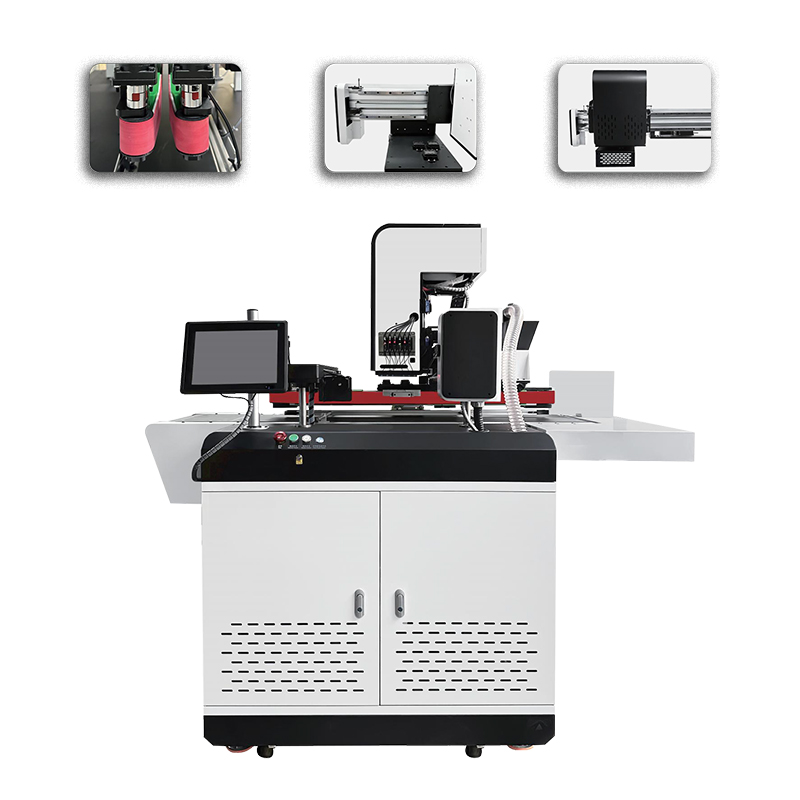
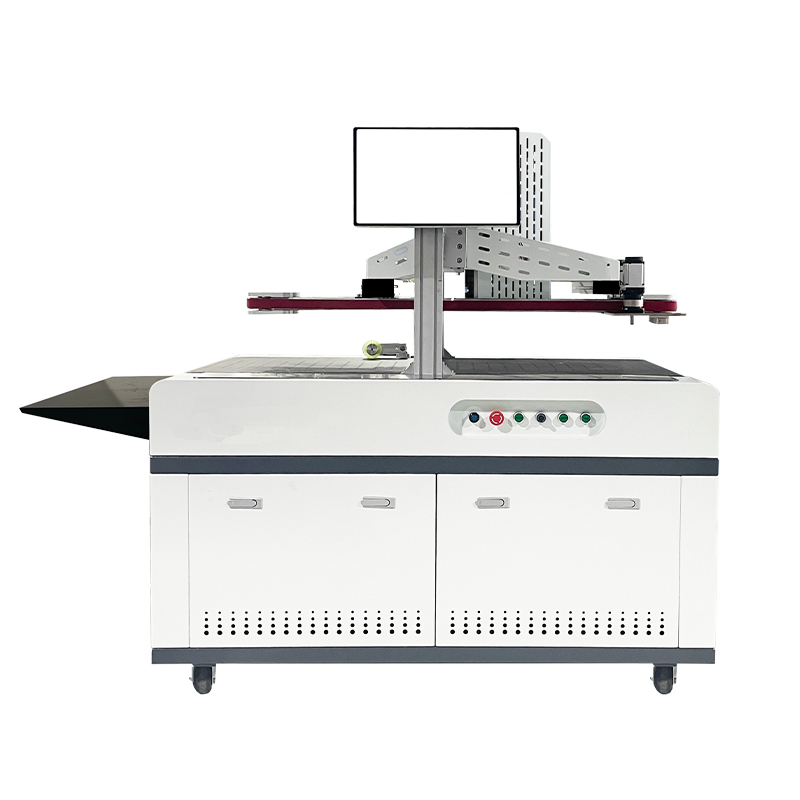
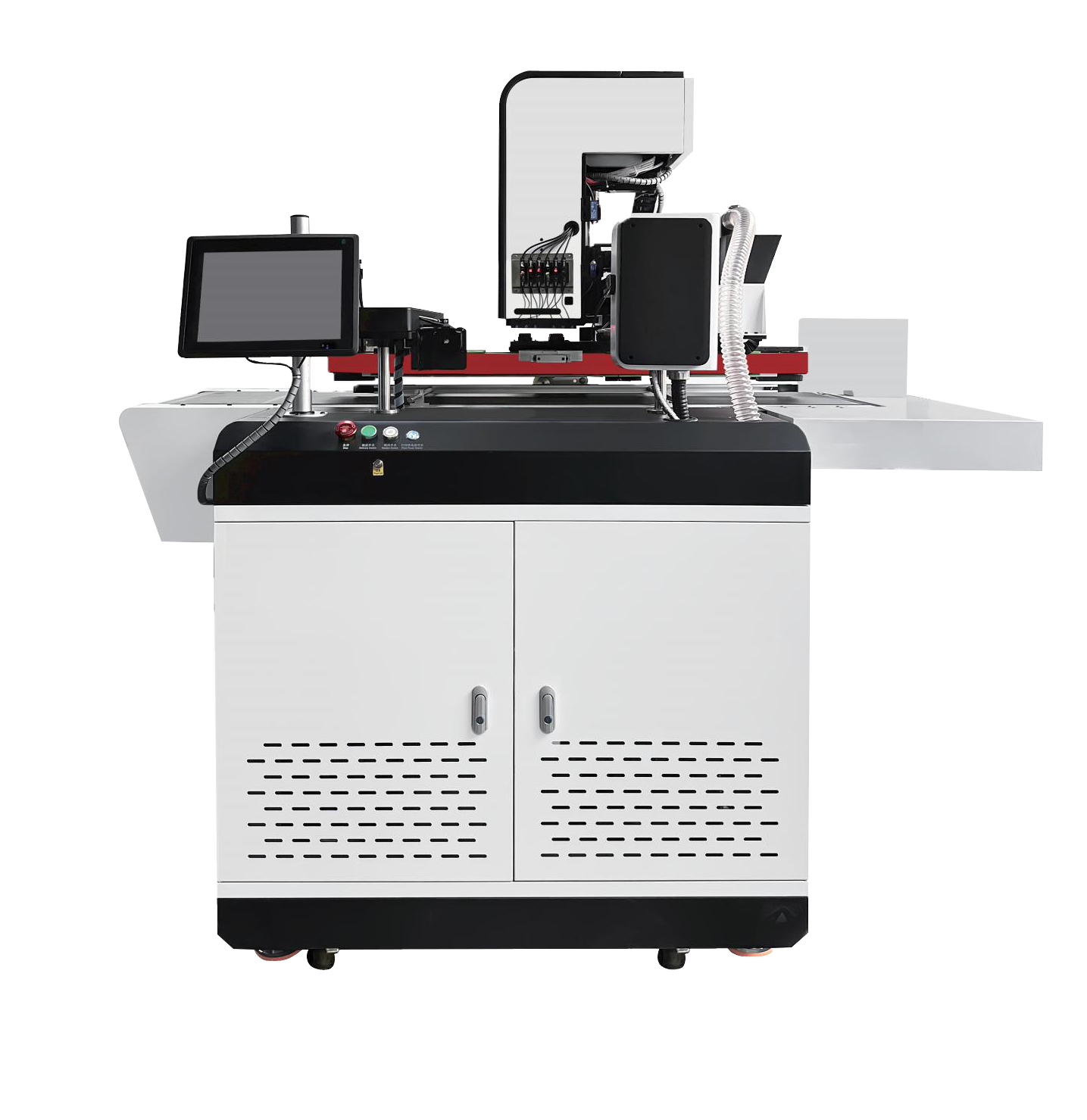
A book-edge digital inkjet printer is a professional printing device designed specifically for high-speed digital inkjet printing of book edges, laptop side edges, and various paper edges. Compared with traditional screen printing, CMYK four-colour full-colour printing is achieved through digital inkjet technology, which does not require plate making and greatly shortens the production cycle. Edge printing is compatible with most binding forms from paperback to hardcover, providing publishers and printing service providers with an efficient and flexible solution.
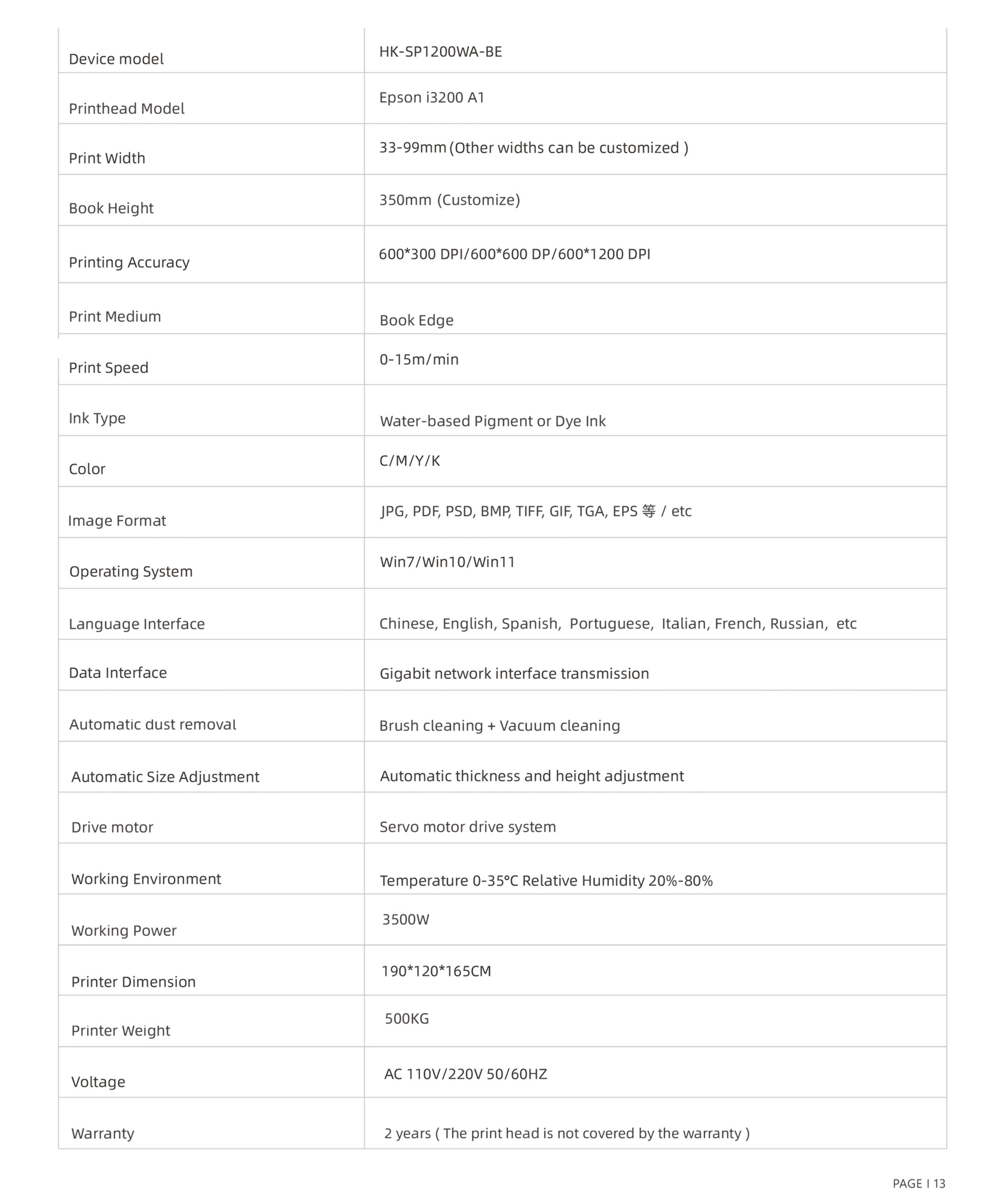
List of core parameters:
2. Technical specifications and basic functions of the equipment
1. Unidirectional high-speed printing using inkjet technology
The book-edge digital inkjet printer adopts one-time inkjet printing technology, which prints the entire surface of the book at once when it passes through the printing area, without the need for repeated scanning. The printing speed can reach 20-40m per minute, greatly improving the production capacity per unit time. For example, equipment models equipped with HP A4 industrial print heads can operate at a continuous speed of 30 metres per minute to meet a range of needs from short-term custom orders to mass production. Some models have dual station settings, such as the HXEP400 series. One workstation is used for inkjet printing, while the other workstation can simultaneously prepare for loading or unloading, so the machine can continue production without stopping. Saved the transfer and extension time of printing plates, effectively solving the problem of clogging caused by long-term idle inkjet heads.
2. Printing function, high printing accuracy
In terms of accuracy, the book-edge digital inkjet printer can achieve an output resolution of up to 1200 × 2400 dpi. For example, the Epson i3200 micro piezoelectric inkjet head device has a normal resolution of 720 x 1200 dpi and a maximum resolution of 720 x 2400 dpi. This high-precision printing capability can clearly present fine QR codes, barcodes, and variable data identifiers. In the actual application of a textbook printing factory, the recognition rate of book traceability codes has been improved to 99.9%, and it has passed the long-term storage test of the library, fully proving the reliability of the equipment in the field of high-precision traceability code printing.
3. Wide colour range, multiple colour outputs
There are two configuration options for BookEdge digital inkjet printers: CMYK four-colour and CMYK KORGB eight-colour. A four-colour configuration can meet daily full-colour printing needs. In addition, the eight-colour configuration increases the colour gamut range, creating richer gradient transitions and brighter colour saturation. In terms of ink types, water-based pigment ink has a high pigment content, and its colour quality is similar to traditional Chinese painting. After 24 hours of printing and curing, the folding resistance reaches up to 180° without cracking. This device is also suitable for various printing scenarios and environmental standard requirements, thanks to the optional configuration of environmentally friendly, odourless pigment ink and ultraviolet curing ink.
4. Intelligent operation, producing according to orders
The intelligent control of BookEdge digital inkjet printers is reflected in many aspects. The automatic thickness measurement system can measure the thickness of books before printing and automatically adjust the nozzle height. The blowing system can regularly clean the nozzle to ensure stable printing quality; The adjustable deflector design prevents ink from splashing inside the pages of the book. Users only need to import design files (TIFF, BMP, PDF, EPS, JPEG, and other supported formats) into the control system to start printing directly, without the traditional screen printing plate-making process. It is ready for use and can be printed in a book, fully meeting the needs of personalised customisation and small batch orders.
5. Safe and durable
The book-edge digital inkjet printer adopts a steel structure frame and gantry milling processing technology, with a stable and durable mechanical structure, ensuring accurate performance during long-term operation. Some models adopt a tray-style workstation design, moving in one direction and clamping books with precision fixtures to maintain a positioning accuracy of 2 microns. Some equipment manufacturers promise that mechanical design can ensure stable production and a total service life of 20 years.
6. Compatibility with various materials
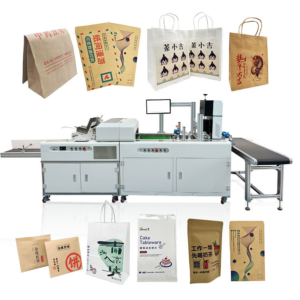
Book edge digital inkjet printers can be used for various printing media, such as hardcover book edges, paperback book edges, laptop side edges, convenient sticker stacking, gift box edges, corrugated box edges, paper bags, cardboard, and other paper products. Printing thickness 0-60mm. Printing height 300 mm (customisable). It is suitable for various product sizes, from small business card sizes (approximately 50x50mm) to large brochure sizes (up to 450x450mm).
3. Application scenarios of products and target markets
1. The most relevant application areas
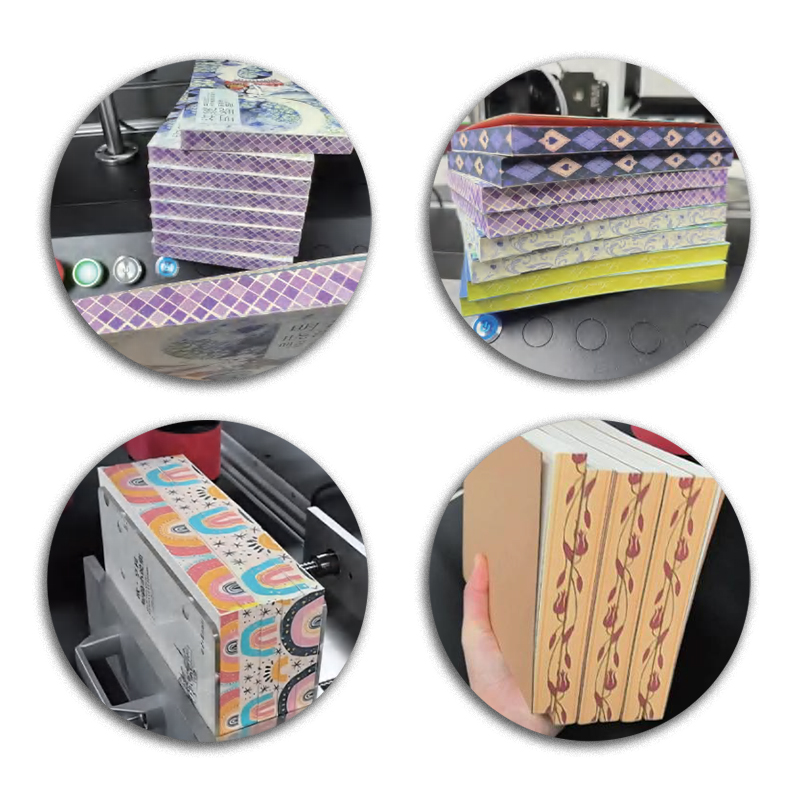
Publishers and bookbinding companies are the core user groups of book-edge digital inkjet printers. Printing coloured patterns, gradients, or brand logos on the edges of books is an important method to enhance their added value and market competitiveness. Edge printing is becoming increasingly popular in the North American and European markets, allowing publishers to create unique visual identities for special issues, anniversary editions, and seasonal series.
Laptop and stationery manufacturers use book-side digital inkjet printers to print personalised patterns or brand elements on the sides of their products, turning ordinary laptops into high-end cultural and creative products. Spanish commercial printer Tó rculo Comunicaci ó n Gr á fica has begun experimenting with book edge printing technology in the personalised production of notebooks and novels.
Gift packaging and luxury packaging companies use bookside coding technology to add detailed decorations to the edges of luxury packaging, personalised invitations, and high-end gift boxes. This technology is particularly suitable for precision printing of rounded corners, gold foil edges, and irregular book edges, providing new creative space for high-end packaging.
Art and collectible-level publications design art throughout the book by printing on the edges of the book, creating a seamless 360° visual experience and turning ordinary books into collectible works of art. There are examples showing that publishers can use full-colour edge printing technology to produce special edition products for books that combine aesthetic appeal and commercial value.
2. Global market coverage
The book-edge digital inkjet printer market is divided into North American, European, Asian, South American, and Middle Eastern markets. The demand for edge printing technology from North American publishers is constantly increasing, and well-known printing service providers such as Frison have been investing in professional equipment to meet customer needs. The customers in the European market are important buyers from Italy, Germany, Spain, and the United Kingdom, who have high requirements for printing art quality and large-scale production capacity. The demand for personalised cultural and creative products and simplified printing in the Asian market is strong, and the cultural and creative industries in Southeast Asia are developing rapidly. Publishers and printers have also gained more interest in such equipment in the South American and Middle Eastern markets.
4. Types of products that the equipment can produce
The book-edge digital inkjet printer can directly produce or process the following products:
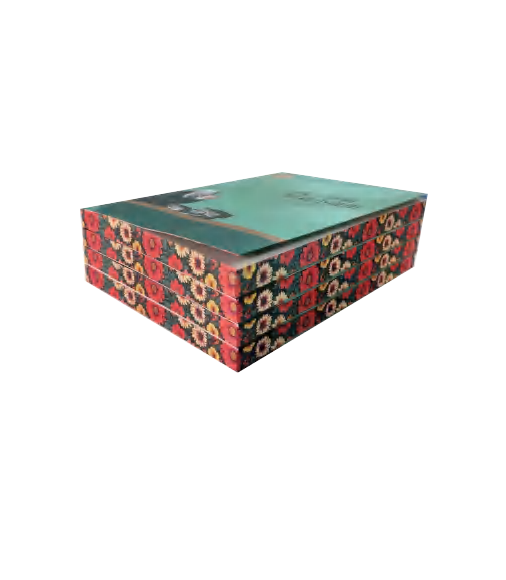
Spray border hardcover book. Printing full-colour patterns, gradient colours, or brand logos on the three sides of the hardcover book mouth
Customised notebook: spray print your own design, name, or company logo on the side of the notebook.
Convenience sticker set: Decorative design or brand logo on the side of a stack of convenience stickers
Gift box and packaging box: Spray holiday elements, blessings, or brand information on the side of the gift box.
Albums and brochures: Extend the cover design to the front of the book for a 360° visual effect.
Limited edition and special edition books: publishing collectible and attractive books in limited editions and special editions.
Corporate promotional brochure: Spray the company logo or marketing information on the edge of the brochure.
5. Main production issues that need to be addressed
Traditional book edge printing is mainly completed through manual brushing or screen printing, which is inefficient, unstable in quality, and difficult to achieve gradient colours and complex patterns. The book-edge digital inkjet printer and its digital workflow solve the following pain points:
No need for plate making; print immediately. The traditional method of screen printing is to make a screen and mix ink. The early stages require a lot of preparation time, and redesigning requires a heavy cost. Digital inkjet printing can directly import electronic files for production, greatly shortening the delivery cycle.
Automatic compensation for glue fitting and cutting errors. During the process of pasting and cutting books, there may be size errors, which can lead to deviations in the printed content. The book-edge digital inkjet printer has an adaptive positioning system that can sense the actual size of the book and automatically compensate for errors, making the printing position of each book the same.
Resolve the ink leakage issue. Traditional edge painting often results in ink seeping into the interior of the pages, causing them to stick together. The book-edge digital inkjet printer is equipped with a clamp that grips the book, allowing it to print only on the surface and preventing ink from seeping into the pages.
Efficient switching between multiple varieties and small batches. When the production line needs to switch between different products, the book-edge digital inkjet printer only needs to replace the printed file on the software side without physically adjusting the equipment. The replacement time can be shortened to less than 5 minutes.
6. User reviews and industry cases
Case 1: Traceability code recognition project for textbook printing factories
At a book printing factory, they use digital inkjet printers to print traceability codes on the edges of books. The device has a precision nozzle with adjustable 600-1200 DPI, which can adjust printing parameters according to the thickness of the paper and the characteristics of the ink to avoid dirtying or colour stacking blurring. Special paper UV ink is more compatible with book and magazine paper. The folding resistance can reach 180 degrees without cracking, and the recognition rate of book traceability codes has been increased to 99.9%. These libraries have also undergone long-term storage testing.
Case 2: Large-scale application of the EDGE-1000 digital printing machine in open format
Since its first release in 2021, the EDGE-1000 digital printing machine has undergone full load applications and five iterations from over 30 customers within two years and has developed into mature equipment capable of meeting the needs of large-scale book print production. It can process up to 1000 books per hour (three-sided letterhead printing), can be operated by one person, takes up very little space, and can achieve personalised effects when printing one book and different books. It allows for parallel production. This device can also solve printing quality problems caused by glue-fitting errors, cutting errors, paper wool, and powder.
Case 3: Monitoring Global Publishing Trends
Smithers, a leading research institution in the global printing and packaging industry, reports that by 2026, the global digital printing market is expected to gain 21.6% of its historical market share and grow to $232.3 billion. The demand for edge printing technology in North America has sharply increased, and companies such as Friesens have installed specialised edge printing equipment in North America. Matti Technology AG from Switzerland has launched the ChromEODGE industrial-grade book edge printing system. The system can process 4000 books per hour, which is more than ten times the production capacity of traditional technology with 400 books per hour.

Reviews
There are no reviews yet.